

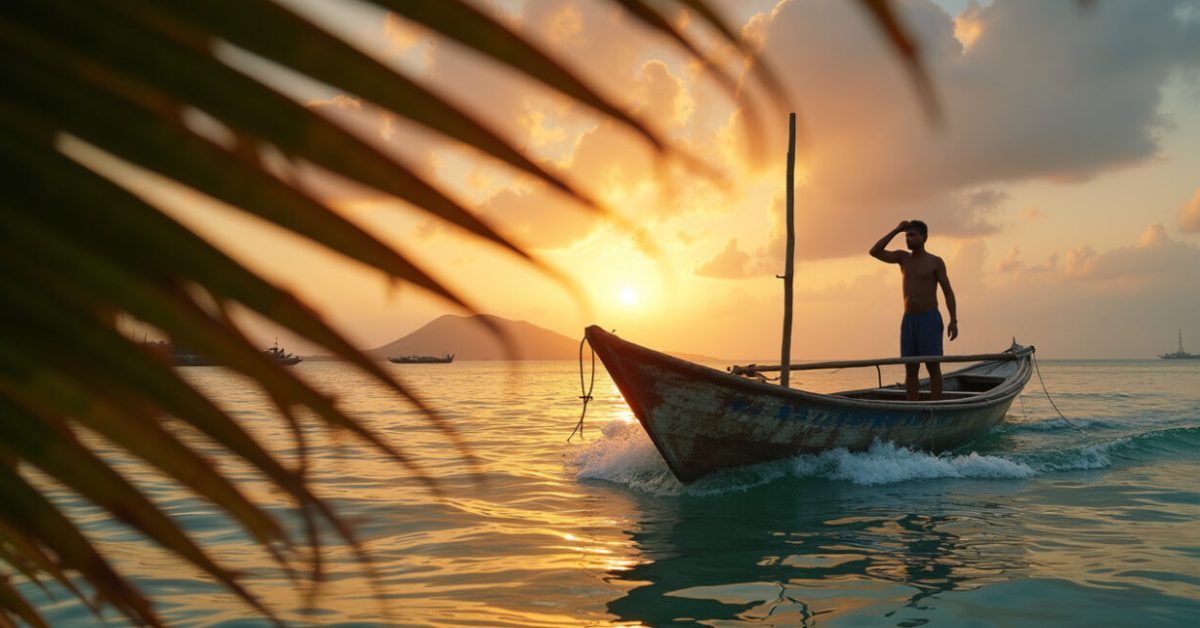

The boat rocked as the sun split the horizon in a sheet of molten gold — and in three minutes the whole scene changed. That split-second drama is the payoff of mastering tropical light timing. If you want photos (or memories) that stop people mid-scroll in Indonesia, you need to chase those exact windows, read clouds like a weather app, and use the monsoon the way chefs use heat: to make flavors pop.
Why Indonesia’s Sunrise and Sunset Windows Are Non-negotiable
Sunrise and sunset here last less time than in temperate zones. Tropical light timing means your golden window can be 20–30 minutes, not an hour. On Bali’s west coast the best light often arrives 10 minutes before the sun edge appears. On remote east islands, haze can extend warmth after sunset. Learn local sunrise/sunset schedules, then bank on a 45-minute buffer: 15 minutes before, the 20–30 minute peak, and 10 minutes after. That buffer is where most great shots happen.
The Cloud Patterns That Make or Break an Image
Clouds in the tropics are actors, not sets. Cumulus build fast; thin alto-stratus spreads color evenly. Tropical light timing requires reading which cloud type will arrive. Thin clouds turn harsh sun into soft cinema light; thick clouds kill color but add mood. A quick checklist helps: if trade winds are steady, expect scattered cumulus; if humidity spikes, expect fast-developing afternoon storms. Use apps like Windy for wind and local satellite for cloud cover. These cues change your shoot plan in minutes.

Blue Hour Secrets Few Photographers Use
Blue hour in Indonesia is short and electric. The sun dips fast; the sky flips from warm to deep blue in roughly 15–25 minutes. Tropical light timing means switching gear fast: lower ISO, open aperture, tripod on hand. Look for reflective surfaces — wet sand, river water, or temple pools — to double the blue effect. In cities like Jakarta, combine blue hour with lit architecture for contrast. The most underrated move: shoot the last five minutes of blue hour; that’s when colors deepen and contrasts pop.
How Monsoon Cycles Rewrite the Rules
Monsoons change the script. During wet season, dramatic skies and diffused light rule mornings; in dry season, crisp shadows and clearer horizons dominate. If you know the monsoon phase, you can predict whether sunrise will be fiery or soft. For example, northwest monsoon months bring more morning cloud, which often yields longer golden-hour diffusion. Conversely, the southeast trade winds in dry months deliver sharp, short golden hours. Treat monsoon forecasts like a creative brief — they tell you whether to plan for bold color or subtle texture.
The Mistakes That Cost the Shot (and How to Avoid Them)
Most errors come from timing, not gear. Common mistakes when chasing tropical light timing:
- Arriving late: missing the 20-minute peak.
- Ignoring cloud type: expecting color when clouds will mute it.
- Overpacking lenses: slow swaps during the window waste light.
- Not scouting tides or foregrounds: composition falls flat with poor foreground.
Avoid these by setting alarms, pre-selecting lenses, and scouting the scene the evening before. Small prep wins big in the tropics.
A Surprising Before/after: Raw to Unforgettable
Expectation: shoot at golden-hour and everything will look cinematic. Reality: without timing, the same location can look flat. I once pointed a 24-70 at a beach at 6:05 a.m. — mundane. At 6:12, a thin cloud split the sun and the scene became cinematic for a full seven minutes. The difference was timing, not technique. That seven-minute before/after proves tropical light timing is the variable that turns good shots into shareable moments.
Practical Routines to Exploit Every Window
Turn tropical light timing into habit with a simple routine:
- Night before: check sunrise/sunset, tide, and hourly cloud forecasts.
- One hour before: be on location, test exposures, set composition.
- During window: shoot bursts, switch angles quickly, monitor clouds.
- After window: keep shooting for twilight transitions and reflections.
Small rituals — a pre-built camera preset, a checklist on your phone, a packed lens combo — save time. Treat timing like a sport: train for speed and outcome improves drastically.
For weather patterns and official climatology, consult local meteorological agencies and studies on monsoon behavior. For tide and sunrise data, reliable sources like the Indonesian Agency for Meteorology, Climatology and Geophysics and global observatories offer precise timings. According to BMKG, seasonal shifts can change cloud windows by days; academic research at institutions like the University of the South Pacific shows how monsoon variability alters sky color and humidity.
Don’t chase a single “perfect” light. Master timing, and you’ll catch dozens of small perfections that add up. In Indonesia, the light is generous — if you know when to show up.
What Time Should I Arrive to Catch Indonesia’s Golden Hour?
Arrive at least 45 minutes before the listed sunrise or sunset. Tropical light timing is tight: expect the best color in a 20–30 minute peak. Use the earlier 15 minutes to set composition and exposure, the main 20–30 minutes to shoot aggressively, and 10 minutes after for lingering tones. If tides or crowds matter, add extra buffer. Scouting the night before saves time and prevents surprises that cost the window.
How Do Monsoon Seasons Affect Color and Cloud Behavior?
Monsoon seasons shift humidity, cloud type, and wind — all of which change light quality. During wet months, expect more diffuse, longer golden hours with dramatic storm clouds; dry months usually bring sharper light and shorter color windows. Tropical light timing means planning shoots around the monsoon phase: aim for mornings in wetter months and afternoons in drier months. Local seasonal forecasts and long-term climatology give the best cues for planning shoots and trips.
Which Apps or Tools Best Predict the Right Window?
Combine several tools for accurate timing. Use a sunrise/sunset app for absolute times, Windy or Ventusky for wind and cloud movement, and local meteorological services for hourly forecasts. Tide apps matter for coastal composition. The key to tropical light timing is cross-checking: no single app nails every microclimate. Test predictions against real conditions over a few days to learn local quirks and refine your timing strategy.

What Gear Choices Help During Short Tropical Light Windows?
Speed and simplicity win. Bring two lenses that cover wide and medium telephoto needs so you avoid slow swaps. Use a tripod for low-light blue hour shots and quick presets for exposure bracketing. Keep batteries warm and spare cards handy — heat and humidity can cause gear hiccups. The goal of tropical light timing is to make technical steps invisible so you can react to the light. Practice quick settings changes before the window opens.
How Do Clouds Make or Break Blue Hour Photos?
Clouds can amplify or erase blue hour. Thin high clouds act like a diffuser, extending and enriching blue tones. Thick low clouds block the sky and mute the effect. In tropical light timing, the best blue-hour scenes usually follow a day with partial cloud cover: the clouds catch city or sunset light and then let the deep blue take over. Watch cloud movement carefully; the last five to ten minutes often hold the richest hues.