

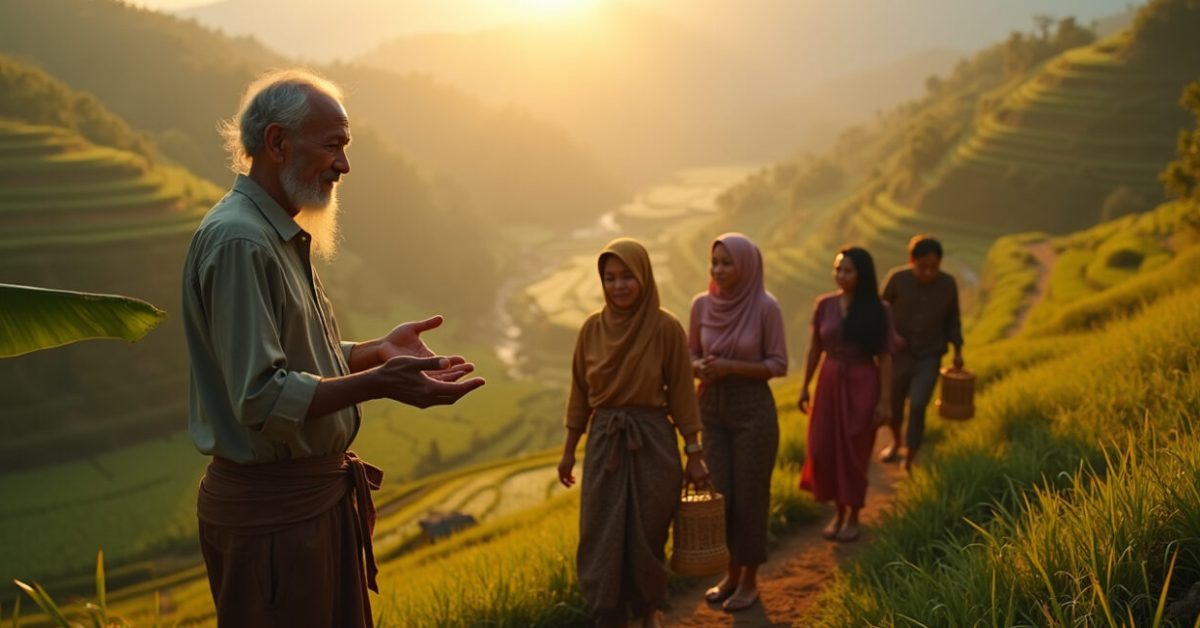

The rice terraces caught the light just as a procession rounded the bend — and suddenly the landscape stopped being a backdrop and became a negotiation. That moment is the essence of cultural landscape shoots: the place, the people, the permission, and the story all arriving together. If you want images that make people stop scrolling, you need more than good gear. You need ethics, timing, composition that respects lives, and a narrative that lands in one glance.
The Soft Line Between Photographing Place and Interrupting Lives
Respect is the fast path to better images. Cultural landscape shoots force you to choose: take a picture or take a moment with someone. In Indonesia that could be a market in Yogyakarta or a harvest ritual in Bali — both are rich visually and delicate socially. Approach with curiosity, ask before shooting, and let people lead the frame when they want. When you do, you get authentic gestures, not staged poses. When you don’t, you get empty triumphs and uneasy faces.
How to Ask for Permission Without Sounding Like a Tourist
Words matter: short, clear, and humble wins. For cultural landscape shoots, learn a few phrases in the local language, introduce yourself, and show your camera turned off. If you can, offer a printed photo or a quick preview on your screen — small gestures build trust. For ceremonies, speak to elders or organizers first. For villages, ask permission at a household level. Written permits may be needed for protected sites; always check local regulations before you arrive.

Composing People Into Panoramas: The Rule of Story, Not Symmetry
Put story before perfect balance. Rather than seating people symmetrically in a wide frame, think of them as the sentence that explains the scenery. Use leading lines — a path, rows of crops, temple stairs — to connect foreground faces with distant peaks. For cultural landscape shoots, shoot at the edges of events as much as at the center: a whispered preparation, a child’s hands, a weathered hat. Those tiny scenes give scale and emotional clarity to a panorama.
Lighting and Timing: When the Landscape Tells You to Move In
Light gives you permission to get closer. Golden hour flatters faces and textures; overcast light flattens details but reveals color in clothing. For cultural landscape shoots, scout times when people are active but relaxed — start of a market day, late afternoon rituals. Use backlight to separate subjects from scenery, or shoot into the sun for silhouettes that honor anonymity. Timing is a negotiation between visual drama and respecting the rhythm of local life.
Common Mistakes That Ruin Cultural Landscape Shoots (and How to Avoid Them)
What to avoid: being loud, rushed, or transactional. Common errors: barging into private spaces, offering money as the only permission, over-posing, and ignoring local rules. Fixes are simple: slow down, ask elders, offer prints, hire a fixer or local guide, and carry a compact audio recorder to capture context (it helps with captions later). These steps protect both your shot and your conscience when you tag a photo “cultural landscape shoots.”
Ethics That Change Your Portfolio and Your Conscience
Ethics aren’t a constraint — they’re a style guide. For cultural landscape shoots, consent and context make images stronger and more defensible. Credit people by name when possible, avoid voyeuristic framing, and decline images that expose vulnerability or exploit poverty. Think long-term: how would that photo read in five years? If you’re uncertain, don’t post. This stance draws better collaborations and opens doors to repeat visits and deeper stories.
Practical Checklist and Gear Tips for Indonesia’s Cultural Scenes
Pack light, pack respectful, pack adaptable. For cultural landscape shoots in Indonesia, bring a 24–70mm for versatility and a 70–200mm to respect distance. Include a small tripod, lens cloth, and extra batteries. Carry a notebook, local SIM, and printed cards explaining your intent in Bahasa Indonesia. Always have a modest gift (not cash) and a plan for sharing images with participants. A simple checklist keeps you ready and polite — and that leads to shots you couldn’t plan.
Comparison you didn’t expect: photographers who prioritize ethics come away with fewer images but a higher percentage of usable, publishable work — expectation vs. reality. Mini-story: On Flores I asked a farmer’s permission to photograph the hill; he invited me to dinner. At dusk, his granddaughter led me to a natural frame I’d missed. The photo that won a small magazine was the one taken after that meal.
For practical rules and local permits, check official guidance from the Indonesian Ministry of Tourism and Creative Economy and cultural heritage laws at the Ministry of Tourism. For site protections and research best practices, see university resources like the Australian National University, which hosts regional studies on cultural landscapes.
Leave images that exploit. Keep images that honor. Your next frame can change how people see a place — and how you see your role in it.
Can I Photograph Ceremonies Without Permission?
Short answer: no. Ceremonies are often sacred, and taking photos without asking can offend and even cause legal trouble. For cultural landscape shoots, approach planners, elders, or temple stewards before raising a camera. Sometimes public processions are OK from a distance, but intimacy requires consent. If organizers allow photography, follow their instructions on where to stand and what to avoid photographing. Respecting boundaries protects you and preserves access for future photographers.
How Do I Credit People in My Photos Respectfully?
Always ask the person how they’d like to be identified. For cultural landscape shoots in Indonesia, use full names when given, include places, and note the occasion or role (e.g., “Wayan, rice harvester, Tabanan”). If someone prefers anonymity, respect that and avoid tagging. When posting online, offer to share the image privately first. Proper credit builds trust and often leads to better stories and collaborations in the future.
Is It Okay to Pay People for Posing?
Payment can be complex. In cultural landscape shoots, offering money for staged poses may erode authenticity and community dynamics. Instead, offer a fair exchange: a printed photo, a small gift, or a fee for organized sessions that the community agrees to. If you must pay, be transparent and use a local intermediary so you don’t create conflict. Thoughtful compensation recognizes time and contribution without turning cultural moments into transactions.
What Permissions Are Required for Photographing Protected Sites?
Protected sites often require formal permits. For cultural landscape shoots at temples, national parks, or heritage zones in Indonesia, contact site managers or local authorities in advance. Some locations limit tripod use, commercial shoots, or drone flights. Check regulations, apply for permits early, and carry printed approvals. Ignoring rules risks fines, equipment confiscation, or being escorted off-site. Permits also signal respect, which can open backstage access and richer imagery.

How Can I Tell a Story with a Single Image?
Start with context: include an environmental element that places the subject in their setting. In cultural landscape shoots, combine a human detail (hands, clothing, gaze) with a recognizable background (temple, field, coastline). Use light to highlight emotion. Caption carefully: a short line of who, where, and why adds weight. The best single images leave a question the viewer wants answered — and that curiosity is what makes people click and remember your work.