

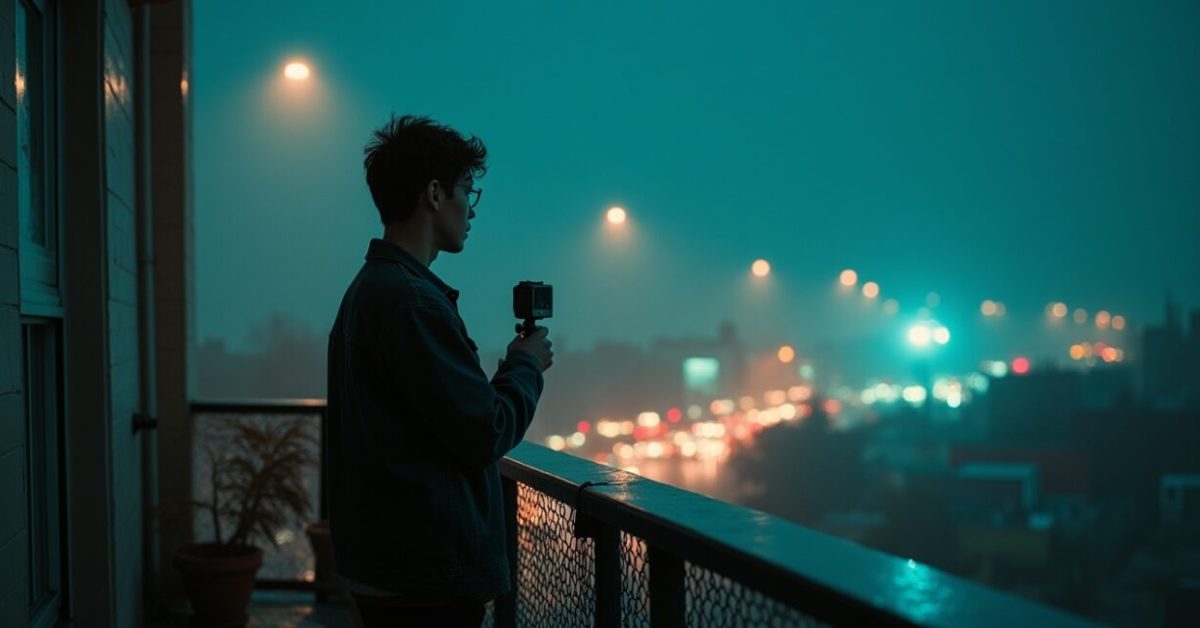

It was 2 a.m., the city lights smeared into soft streaks, and a creator I follow hit record on an action camera that—surprisingly—looked like cinema. That moment is why Low-light shooting isn’t a niche anymore: creators want after-sunset drama without lugging DSLRs. The trick isn’t magic: it’s new firmware tweaks, brighter settings that don’t crush highlights, and a handful of accessories that turn tiny action cams into honest night shooters. Read on—fast tips first, surprises next.
The One Setting That Changes Everything
Raise ISO smartly, not blindly. Modern action cameras let you push ISO higher than before without turning footage into noise soup. The sweet spot for many sensors is ISO 800–3200 combined with a slightly reduced shutter speed—think 1/60 rather than 1/120 for motion that still reads crisp. Newer firmware builds include noise-reduction algorithms and adaptive ISO ceilings that stop amplification when highlights risk clipping. Experiment in manual mode for two minutes and you’ll see the difference from “grainy mess” to “usable night clip.”
The Firmware Tricks Creators Whisper About
Manufacturers and third-party developers are releasing updates that change how sensors behave in dim light: extended dynamic range modes, frame-stacking for cleaner exposures, and custom bitrate profiles that preserve low-end detail. Some creators install community firmware that unlocks finer ISO steps or removes aggressive sharpening. Don’t install random firmware without a backup—but do watch changelogs: a single update can halve your noise or restore shadow texture. For reliable notes, check official releases and community threads at reputable forums.
Accessories That Turn Action Cams Into Night Beasts
Small add-ons produce outsized results. A low-profile LED panel for fill, a CPL filter to tame street glare, and lens adapters that widen the aperture are your fastest wins. Consider a compact gimbal for slower shutter speeds and a protective housing that reduces internal reflections. Practical kit list:
- Portable bi-color LED (dim-to-1000 lx)
- Compact gimbal with low-speed mode
- Anti-reflection housing or matte hood
- Wide-aperture lens adapter or ND for daytime-to-night transitions
These cost a fraction of a mirrorless system but bring night footage close to professional quality.
Expectation Vs. Reality: A Surprising Comparison
Expectation: swap daytime settings for auto-low-light and get cinematic night footage. Reality: auto modes often over-smooth or clip highlights. Compare two clips: one shot in aggressive auto noise reduction (plastic-like skin, lost star bulbs) versus the same frame shot in manual ISO with a subtle fill—suddenly you have texture and depth. The comparison shows that controlling three variables—ISO, shutter, and light source—is worth more than trusting a single “night” profile.
Common Mistakes That Kill Night Shots (and How to Avoid Them)
Creators repeat a handful of avoidable errors: overexposing to “brighten” shadows, relying on electronic stabilization to fix motion blur, and using harsh on-camera LEDs that create flat, artificial light. Avoid these by:
- Keeping highlights protected—underexpose slightly and lift in post
- Using slower stabilization techniques: gimbals or tripod, not only digital crop
- Diffusing LEDs or using bounced light for texture
Fix those and you’ll salvage many shots others would delete.
A Mini-story: One Clip That Changed a Feed
She had five minutes of golden-hour after a concert but missed the light—so she stayed and filmed the empty boulevard. With a small, diffused LED and firmware’s flat profile, she captured reflections and distant neon without blowing highlights. The clip ran on a 30-second loop and tripled her following that week. That tiny setup and patient framing show the power of low-light: it’s not only settings, it’s choosing the moment others skip.
Where to Learn More and What Science Says
Low-light is both craft and physics. Sensors, read noise, and lens speed matter—so read whitepapers from sensor manufacturers and independent labs. For practical science, Imatest runs objective sensor tests, and institutions like NIST publish imaging research that explains why noise behaves the way it does. Use those sources to match settings to hardware limits, and you’ll stop guessing and start capturing night footage that clicks.
Closing Provocation
Night footage isn’t a style—it’s an attention economy. If you treat after-sunset shooting as an add-on, you’ll lose nuance. But if you learn three camera moves, one firmware habit, and one lighting setup, your next night clip will stop scrolls. Try one tweak tonight: lower your shutter a stop and add a tiny diffused fill. Then watch what changes.
How Much Difference Does Firmware Really Make?
Firmware can meaningfully change low-light results by optimizing how the sensor reads and the camera processes noise, dynamic range, and bitrate. Official updates often add improved color science and noise-reduction modes; community firmware can unlock finer ISO steps or remove limits. The practical effect is cleaner shadows and preserved highlights, especially on compact action cams with smaller sensors. Always back up settings and read compatibility notes—firmware can improve footage quality, but it can also brick a device if installed incorrectly.
Can I Get Cinematic Night Shots Without Extra Gear?
Yes—partially. Thoughtful framing, stable movement, and manual control over shutter and ISO will improve footage immediately. However, accessories like small LEDs or a simple diffused reflector multiply gains dramatically by shaping light and preserving texture. Even a smartphone-sized LED or a dampened hand to reduce shake helps. If you can’t add gear, prioritize protecting highlights and stabilize the camera; these two choices give the biggest return on zero or minimal budget.
What Shutter Speed and ISO Should I Start With?
Begin with ISO 800–1600 and a shutter speed around 1/60 for moderate motion; lower to 1/30 if you’re on a gimbal or tripod and want brighter frames. These are starting points—sensor size and lens speed change the equation. Use a higher ISO ceiling with conservative noise reduction in post. The goal is to keep motion natural and shadows textured, not to max brightness. Test for two minutes and adjust: tiny changes make visible differences.
Are Community Firmware Mods Safe for Action Cameras?
Community firmware can unlock useful features but carries risks: warranty voids, instability, or device failure. Many creators report dramatic improvements from trusted builds, but only after reading install guides and backup procedures. If reliability during shoots is critical, weigh the benefit against the risk. For casual experimentation, try firmware on a spare camera, follow detailed instructions from reputable sources, and keep the original firmware available for rollback.

Which Accessories Give the Biggest Return for Low-light Shooting?
Small, portable lights (with dimming and color control), a compact gimbal, and simple diffusion materials offer the highest payoff. LED panels provide fill without bulk; a gimbal lets you use slower shutter speeds without blur; diffusion softens harsh highlights and preserves texture. Filters and matte hoods reduce reflections and flare. These accessories are affordable compared to full rigs and will elevate clips from “acceptable” to “shareable” in low-light scenarios.