

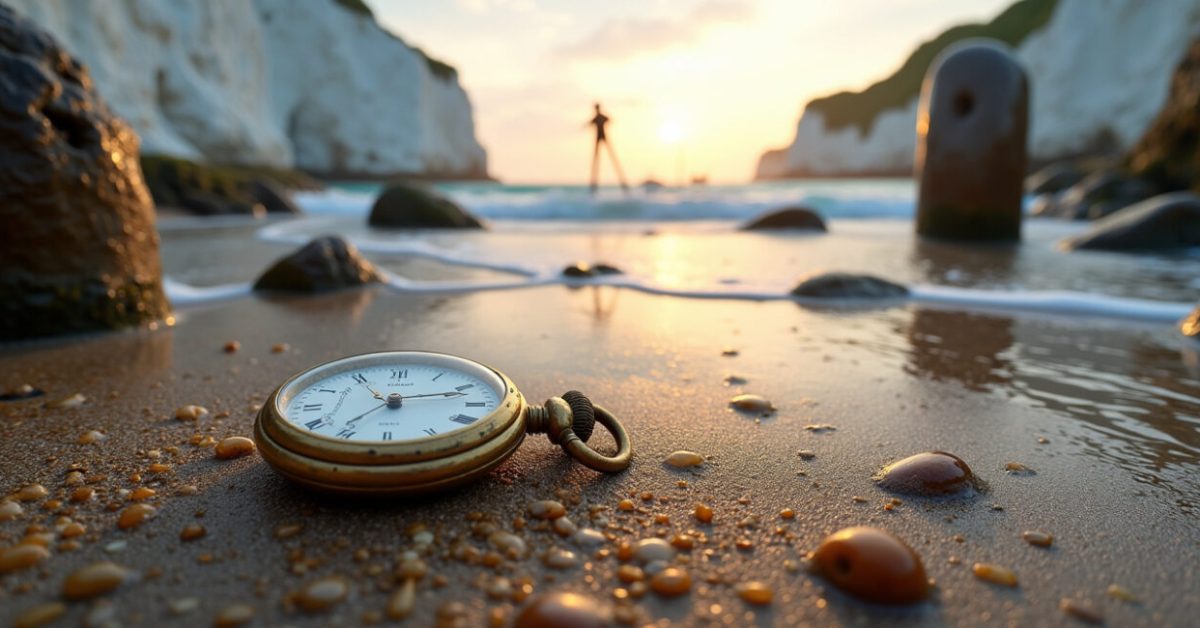

The English coast stretches from windswept north cliffs to chalky southern arches, inviting photographers and travelers alike to capture its raw beauty. It’s a landscape of sea stacks, harbours, golden light and dramatic tides that change a scene every hour.
Why this matters: coastal edits at places like Durdle Door or Whitby harbour reveal history, geology and emotion in a single frame. This guide explains what to shoot, when to go and how to craft striking images along the English coast.
Promise: you’ll learn decisive timing, composition tips, practical steps and creative edits to capture sea stacks at Durdle Door or sunrise at Whitby harbour for dramatic coastal edits that stand out online and in print.
Essential Timing and Light for Dramatic Coastal Shots
Golden Hour and Blue Hour Planning
Golden hour sculpts cliffs with warm tones while blue hour brings soft contrasts ideal for long exposures. Check sunrise and sunset times to time your shoot precisely.
Use apps for tide charts, weather, and sun position. On the English coast, shifting light transforms sea stacks and harbours in minutes.
When Tides and Waves Matter Most
High tide can isolate sea stacks near Durdle Door, creating reflections; low tide reveals foreshore and textures for foreground interest. Know the tidal windows for safety.
Rough seas add drama to long exposures; calm days favour mirror-like harbours at Whitby. Choose tidal conditions that match your creative intent.
Composition Techniques to Emphasize Sea Stacks and Harbours
Foregrounds, Midgrounds and Background Depth
Use rocks, wet sand, or sea foam to lead the eye to a sea stack or harbour pier. Layering adds depth and context in coastal frames.
In Whitby, include boats or harbour architecture in the midground to contrast with distant cliffs or sky for narrative weight.
Balance, Negative Space and Motion
Negative space around a solitary sea stack creates drama; moving clouds or waves add tension. Embrace minimalism when the light is delicate.
Apply a slow shutter to blur water or clouds, juxtaposing static cliffs with flowing movement for emotional impact.
- Use leading lines (groynes, piers) to guide the viewer.
- Frame with natural arches or headlands for context.
- Choose a low viewpoint to exaggerate foreground textures.

Camera Settings, Gear and Practical Tips
Lenses, Filters and Stabilization
A wide-angle lens captures sweeping coastlines, while a telephoto isolates sea stacks like Durdle Door from a distance. Bring an ND filter for long exposures.
A sturdy tripod is essential for low-light dawn shots at Whitby harbour. Protect gear from spray and wind with covers and secure anchors.
Exposure, Focus and Bracketing
Expose for highlights to protect skies, then recover shadows in RAW. Bracket exposures for HDR when dynamic range is extreme along the English coast.
Use manual focus or single-point autofocus on a focal plane—sea stacks and harbour piers need sharp edges to read well at large sizes.

Practical Workflow: Scouting, Safety and Permissions
Scouting Locations in Advance
Research access points, parking and footpaths. Local forums and official sites reveal best viewpoints and seasonal quirks along the English coast.
Scouting at different tides and times avoids surprises; arrive early to claim a safe, creative spot for sunrise or sunset shoots.
Safety, Conservation and Permissions
Respect cliff-edge warnings and be aware of rising tides. Coastal erosion can change access; always carry a phone and inform someone of your plan.
For commercial shoots, check for permits on protected stretches like the Jurassic Coast and follow local conservation rules to protect fragile habitats.
| Location | Best Light | Tide Window |
|---|---|---|
| Durdle Door (Jurassic Coast) | Sunset & golden hour | Mid to high tide for isolated stacks |
| Whitby Harbour (North Yorkshire) | Sunrise & blue hour | Low to mid tide for foreground reflections |
| Flamborough Head | Morning light | Low tide for cliff base access |
Post-processing Recipes for Dramatic Coastal Edits
Color Grading and Tone Mapping
Push warmth into highlights for golden-hour shots and cool midtones for blue hour. Subtle split-toning can enhance mood without looking artificial.
Use local adjustments to recover shadow detail on cliffs and strengthen contrast on sea stacks for punchy, emotive images.
Long Exposure Blending and Texture Enhancement
Blend two exposures to keep sharp rock detail with silky water. Apply clarity selectively to emphasize geological textures along the English coast.
Remove distractions—boats or litter—using careful cloning. Add subtle vignettes to draw attention to the main subject in the frame.
- Plan shoot time and tide to match your concept precisely.
- Shoot RAW and bracket exposures for flexibility.
- Use an ND filter for extended water-motion effects.
- Merge images and apply targeted local edits for clarity and mood.
Storytelling: Connecting Place, History and Emotion
Weaving Geology and Human Narrative
Link the chalk arches of the Jurassic Coast with millions of years of history to add depth to an image’s caption or gallery story. Context enriches viewer engagement.
Highlight Whitby’s maritime past when photographing harbour scenes; a single boat can anchor a century of stories in one frame.
Using Captions and Social Copy Effectively
Write concise captions that name the place, time and emotion—“Durdle Door at sunset, a moment of ancient calm”—to invite curiosity and shares.
Tag locations and reference conservation groups to increase reach and connect with local audiences who care about the coast’s future.
Local Resources, Permits and Expert References
Where to Find Authoritative Information
Consult official guides and conservation bodies for access rules and safety updates. The National Trust and local councils publish site-specific notes for photographers.
Use tide services and weather forecasts for real-time conditions. Reliable sources protect you and your equipment while improving shoot outcomes.
Work with Locals and Guides
Hire a local guide for less-known viewpoints or seasonal hazards. Their knowledge yields safer, more creative shots and deepens your connection to the place.
Collaborate with local heritage organisations to ensure respectful use of sensitive sites and to access permission when required.
- National Trust — site access and conservation advice.
- Visit England — regional travel guidance and seasonal highlights.
- UNESCO Jurassic Coast — geological context and protections.
Conclusion
Chasing light along the English coast—whether capturing sea stacks at Durdle Door or sunrise at Whitby harbour—rewards patience, planning and a sensitive edit. The shorelines continually recompose themselves; your job is to arrive ready and tell the most honest, striking version of that moment.
Return often, respect the landscape and let each tide teach you new ways to see. The emotional payoff comes when composition, light and story converge into a single coastal image that resonates.
Faq
When is the Best Time to Photograph Durdle Door for Dramatic Sea Stack Shots?
The best time is during golden hour at mid to high tide when the sea isolates the arch and reflections are strongest. Arrive early to scout angles, check tide charts, and use a polariser or ND filter for long-exposure drama without overexposing highlights.
How Do I Safely Plan a Sunrise Shoot at Whitby Harbour?
Plan by checking local tide and weather forecasts, wear sturdy footwear, and bring headlamp light. Scout access routes beforehand and avoid cliff edges. Inform someone of your schedule and keep phone battery charged for emergencies and navigation aids.
What Camera Settings Work Well for Long-exposure Coastal Images?
Use a low ISO (100–200), small aperture (f/8–f/16) for depth of field, and ND filters to extend shutter speeds. Bracket exposures for HDR when contrast is high, and shoot RAW to retain maximum detail for post-processing.
Do I Need Permits to Photograph on Protected Stretches Like the Jurassic Coast?
Generally recreational photography is allowed, but commercial shoots may require permits from landowners or conservation bodies. Check with the National Trust, local councils, or UNESCO site managers before organising paid or large-scale productions.
How Can I Improve Coastal Edits for Social Platforms and Google Discover?
Prioritise unique angles, emotive captions, and high-impact thumbnails. Use mobile-friendly crops, fast-loading image formats, and include location context. Engage with conservation stories and authoritative links to boost EEAT and Discover visibility.