

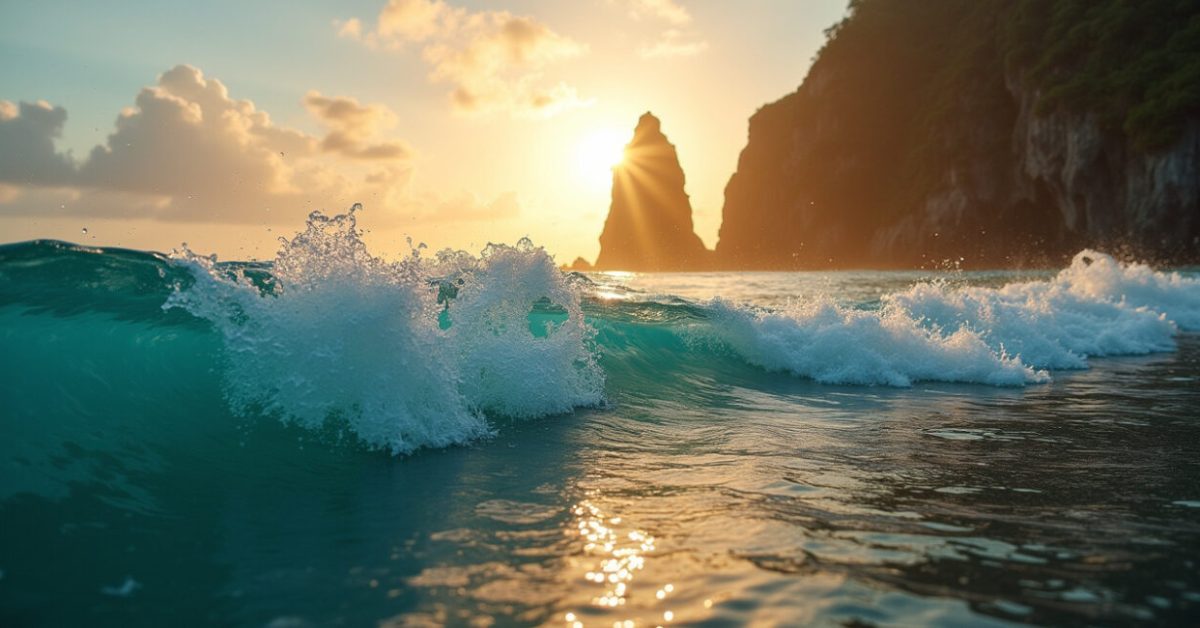

Waves halting mid-foam, a limestone spire casting a perfect shadow, and a reef so colorful it looks photoshopped — that’s the first frame that stops your thumb. If you care about best islands photos, you already know the difference between a pretty snap and a scroll-stopper. This guide picks the Indonesian islands that deliver those frames, tells you when to go, and which lenses will make the shot sing. No fluff — just places, timing, and gear that actually work.
Why Bali’s Cliffs Still Top Feeds — And How to Shoot Them Better
Bali isn’t tired; it’s just misunderstood. The dramatic cliffs at Uluwatu and Bukit Peninsula create silhouette stories at golden hour that few islands match. For best islands photos here, use a 24–70mm for context and a 70–200mm to isolate surfers and jagged rock. Shoot during the last 30 minutes of light for color that reads on tiny phone screens. Expect crowds at sunset; move 10 minutes earlier and you’ll get quiet, softer light and cleaner compositions.
Raja Ampat: Reef Colors That Make Lenses Cry
Raja Ampat is the place where underwater photography stops being hobby and becomes obsession. For best islands photos beneath the surface, a wide-angle dome port plus a 16–35mm equivalent lens will capture manta ballet and patch reefs. The region’s clarity is seasonal — aim for October to April. Bring strobes but shoot natural light when the sun is high. The real trick? Swim slowly; the reef reveals itself in layers, not in fast passes.

Komodo’s Landscapes: Dramatic Arcs of Land, Water, and Light
Komodo presents scenes that read like adventure book covers. From panoramic bays to volcanic ridgelines, this island cluster rewards both wide-angle and telephoto approaches. For best islands photos of the komodo vistas, try a 16–35mm for sweeping foregrounds and a 100–400mm to compress islands into stacked layers at sunset. A polarizer will deepen the skies and cut glare from water. Expect wind; it sculpts clouds and doubles the drama in your frames.
The Hidden Gems: Flores, Wakatobi, and Remote White-sand Coves
Not every jaw-dropping image comes from a famous spot. Flores’ crater lakes and Wakatobi’s far-flung atolls often deliver cleaner light and fewer boats. For best islands photos, think small: local knowledge, a sunrise launch, and a 35mm prime for storytelling close-ups. A short list of advantages:
- Fewer tourists = cleaner horizons
- Local captains know the hush-hour coves
- Shallow reefs = vibrant colors without heavy gear
These islands teach restraint — sometimes the best frame is the quiet one you waited for.
What Lenses Make Those Iconic Shots — A Practical Kit List
One lens can ruin a trip; the right kit makes every scene usable. For the Indonesian islands featured for best islands photos, pack with intent:
- 16–35mm: drama, foregrounds, nightscapes
- 24–70mm: the daily workhorse
- 70–200mm or 100–400mm: compress islands, isolate action
- 35mm or 50mm prime: low-light local portraits and market scenes
- Underwater housing with wide-angle dome + strobes for reefs
Compare expectation vs. reality: many travelers expect a single zoom to do all jobs; in reality, switching lenses strategically across a day delivers images that feel intentional, not accidental.
Common Mistakes That Kill Island Photos — What to Avoid
Photographers sabotage shots in predictable ways. Here are the top errors and how to dodge them when chasing best islands photos:
- Shooting at high noon: flattens textures — wait for golden hour.
- Overusing HDR: creates theatrical, fake colours.
- Ignoring foregrounds: images lack depth without an anchor point.
- Too much gear, no plan: creates decision paralysis on the boat.
Small change, big payoff: pick the lens that fits the light and commit to one composition for five minutes. The image will tell you if it needs shifting.
Logistics and Timing: When to Go for the Best Light and Calm Seas
Timing beats technique when conditions shift. For best islands photos across Indonesia: aim for the dry season (April–October) for clearer seas and predictable skies in most regions. Raja Ampat flips the calendar — October to April gives best underwater visibility. Plan around moon phases for nightscapes and tide tables for beach arcs. Two external resources to check before you go: official Indonesia tourism for weather notes and local rules, and the NOAA tide and sea data for planning shoots around tides.
Mini-story: On a trip to a quiet Flores bay, a sudden rain squall cleared at sunset. I had the 16–35mm and a local fisherman in a canoe. In three frames the light, the boat, and a perfect reflection aligned. I stayed for the afterglow and that five-minute window made the cover image for a travel magazine. That’s the reward for patience and being gear-ready.
Comparison recap: Expectation — you need exotic equipment. Reality — timing, a small set of versatile lenses, and scouting deliver more consistent best islands photos.
Leave with one clear instruction: choose one island, one lens, and chase the light for a single day. You’ll return with frames that feel like you found them, not that you chased them.
What Gear is Essential for Island Landscape Work?
Essential gear is more about versatility than quantity. A wide-angle (16–35mm) captures sweeping foregrounds and skies. A 24–70mm serves as the day-to-day lens for markets, villages, and mid-range scenes. A telephoto (70–200mm or 100–400mm) isolates details and compresses island layers at sunset. Bring a sturdy tripod, polarizer, and ND filters for long exposures. If shooting reefs, include underwater housing and strobes. Finally, pack weather protection for your kit and fast memory cards; convenience often beats clutter on boats.
How Do I Plan Shoots Around Tides and Light?
Planning is half the photo. Check tide tables to time exposed sandbars and reflections; some dramatic arcs appear only at low tide. Use moon-phase calendars for nightscapes; a new moon gives darker skies for stars. Golden hour is critical: the last 30 minutes before sunset often has richer color than the hour before. For reef work, mid-morning to early afternoon gives better underwater light. Combine tide, sun angle, and local weather to choose your window, then be ready to move fast.
Can I Get Good Reef Photos Without Professional Underwater Strobes?
Yes, but there are trade-offs. Natural light can work in shallow, clear water on bright days; use a wide-angle and get very close to subjects. A red filter helps recover warm tones when diving without strobes, and increasing ISO carefully can help in lower light. However, strobes restore colors lost at depth and let you shoot wider apertures and faster shutters. If you can only bring one extra item, rent a compact strobe or sync your camera with a small portable unit for more consistent reef shots.
Which Indonesian Islands Are Best for Dramatic Sunrise Vs. Sunset Shots?
Location and coastline orientation matter. Bali’s western cliffs, like Uluwatu, favor sunset drama with warm backlight and silhouettes. East-facing islands like Flores and parts of Raja Ampat can deliver powerful sunrises over calm bays. Komodo’s varied topography produces both, depending on the vantage point. Scout maps and satellite imagery to find headlands that face the direction you want, and plan sunrise shoots on east coasts and sunset shoots on west coasts to maximize color and shadow play.
How Do I Work with Local Guides and Respect Communities While Shooting?
Working respectfully amplifies access and image quality. Hire local guides who know secret coves and safe routes; they’ll also facilitate permissions and interactions. Ask before photographing people, offer a small fee for portraits, and learn a few greetings in the local language. Respect cultural norms around clothing, sacred sites, and drone use. This approach often turns brief encounters into meaningful images and opens doors to locations you couldn’t find on your own.