

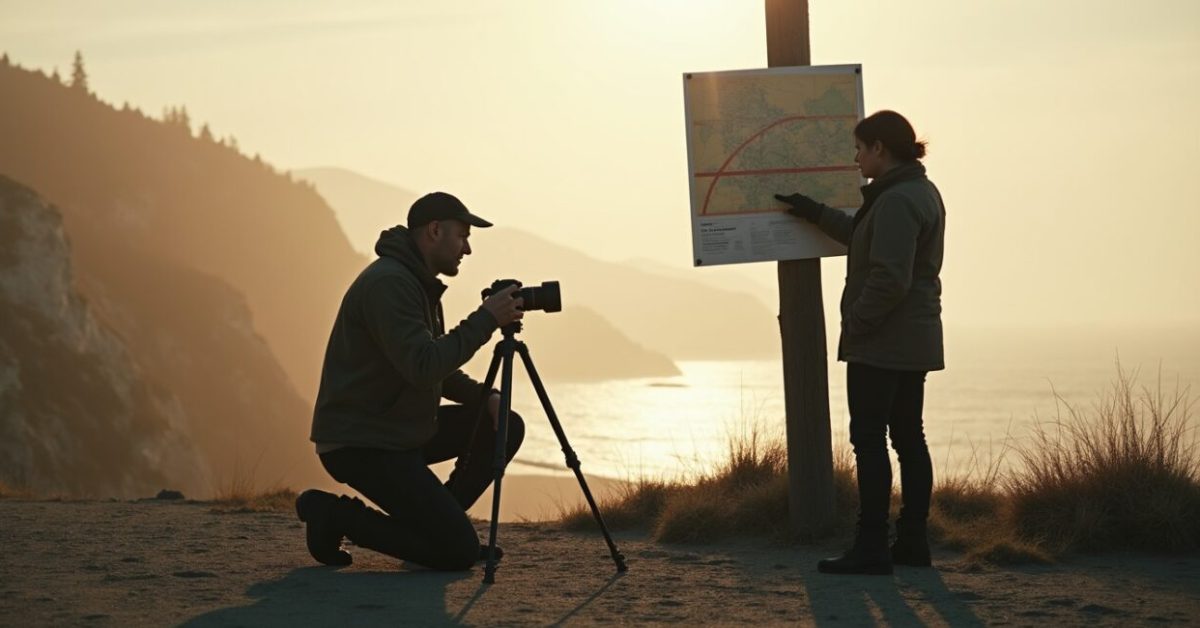

They quietly drew the lines on a map, no press conference, no fanfare — and overnight some of Russia’s most dramatic landscapes became easier to photograph legally. For landscape shooters used to guessing where you can set a tripod, this is a real shift: new protected photo zones, eased access in key regions, and updated permit rules that change how and where you work. Read on if you want the exact spots, the permit traps to avoid and the fresh vistas you can’t miss.
Why These New Photo Zones Matter More Than a PR Stunt
This isn’t just bureaucracy — it’s a change that reshapes access. The government’s move affects national parks, coastal reserves and some military buffer areas that long frustrated photographers with vague “no entry” signs. Now, in several regions, regulated zones allow staged access, timed visits and even limited commercial shoots. That means fewer surprise fines and more predictable shoots, but it also raises the stakes: expect designated viewpoints, enforced paths and a permit system that rewards planning.
The Exact Permit Rules You Need to Watch This Season
Permits are the new currency for serious landscape work in Russia. Some regions offer free day-permits; others require paid licenses for tripods, drones or commercial intent. Key points: apply earlier than you think, declare gear (yes, drones often need separate clearance) and be explicit about publication plans. For authoritative guidance see official federal pages and regional park sites. Missing a checkbox can cost more than your travel budget — and get your footage seized.
Three Unexpected Shooting Opportunities Photographers Are Talking About
Think frozen coastlines, rewilded valleys and retro industrial silhouettes. The relaxed access has opened:
- Arctic littoral strips near Murmansk for blue-hour seals and aurora
- Volga floodplain corridors where restored wetlands attract huge bird flocks
- Abandoned Cold War-era structures repurposed as dramatic foregrounds
The Comparison Photographers Need: Expectation Vs. Reality
Expectation: a free-for-all paradise. Reality: structured opportunity. Before the change, many assumed “easier access” meant unrestricted roaming. Instead, think of it as curated access: more legal shooting windows, clearer boundaries, and designated viewpoints. The upside is predictability and reduced confrontation with rangers. The downside is less spontaneous wandering; you’ll trade improvisation for permission. Knowing that trade-off upfront keeps your shoot creative without getting shut down.
Common Mistakes — What to Avoid on Your First Trip Under the New Rules
Don’t assume signage equals permission. Common errors:
- Skipping regional permit pages and relying on national info
- Flying drones without zone-specific clearance
- Listing “personal use” when you plan to publish or sell images
- Arriving late — many zones use timed entry windows
A Quick Field-tested Kit for Photographing Russia’s New Zones
Bring gear that’s flexible, light and defensible at checkpoints. Essentials: a light tripod with quick-release, ND filters for long exposures, backup batteries for cold snaps, a compact drone (if permitted) and printed copies of your permits. Also carry an English-Russian one-page permit summary — rangers appreciate clarity. I once got a two-hour extension because I handed a ranger a clear, signed permit sheet; brevity and paperwork beat charm every time.
Where to Find Reliable, Official Updates and Local Intel
Trust primary sources and local photographic communities. Start with regional park pages and federal announcements; for enforcement details, consult official ministry releases and recognized outlets like international reporting. Combine that with local photo forums and Russian-language social groups for real-time intel on access windows, closures and ranger behavior. The mix of official and local keeps you legal and gives you the best shooting times.
This change rewards those who plan: the best frames will go to photographers who treat permits like scouting, and who arrive ready to adapt. Think of these new zones as curated stages — with the right prep, you get the spotlight.
Which Regions in Russia Have Already Designated Photo Zones?
Several regions along the Arctic coast, parts of the Volga basin and select protected areas in Siberia and the Russian Far East have announced new photo zones. The rollout is staggered: some federal parks updated policy centrally, while oblast-level administrations issued local rules. For precise, up-to-date information check regional park portals and federal notices, because names and boundaries can change between announcements. Combining official pages with local photographer reports gives the clearest picture of which zones are active now.
Do I Need a Separate Permit to Fly a Drone in These Zones?
Most zones that permit aerial photography still require a separate drone authorization. Drone rules vary by locality: some allow hobbyist UAVs under strict altitude and time windows, others ban drones outright near infrastructure or military buffers. Applying in advance is crucial because processing can take days or weeks. Even if the park allows photography, expect additional forms for drones, often requiring proof of insurance and declared flight plans. Always confirm specific drone clauses on the regional permit page.
Can Foreign Photographers Apply for the Same Permits as Locals?
Yes, foreign photographers can apply, but the process often involves additional ID checks, passport copies and sometimes visas correlated to the region. Some permits require a local contact or certified guide for foreigners, especially in remote or ecologically sensitive zones. Timing matters: consular or background checks can lengthen approval times. To avoid surprises, start the permit process early and use trusted local fixers or agencies who understand how to bridge language and bureaucratic gaps.
What’s the Penalty for Shooting Without the Right Permit?
Penalties range from fines and equipment confiscation to removal from the site and potential legal proceedings for sensitive areas. In some protected reserves, unauthorized commercial photography can trigger heavy fines and temporary bans. Even if the fine seems minor, the real cost can be ruined schedules, lost client trust and being barred from returning. Treat permits as mandatory insurance: paying for a permit upfront is usually cheaper than disputing a violation later.
How Soon Should I Apply for a Permit Before a Planned Shoot?
Apply as early as possible — a safe window is 4–8 weeks before a planned shoot, longer for drone or commercial work. Some local authorities process straightforward day-permits faster, but complex or cross-regional requests need more time. Holidays and peak seasons extend processing times, and last-minute requests are often rejected. Starting early also gives you time to resolve language or documentation issues, secure a guide if required, and adjust plans if a zone’s timetable or closures change.