

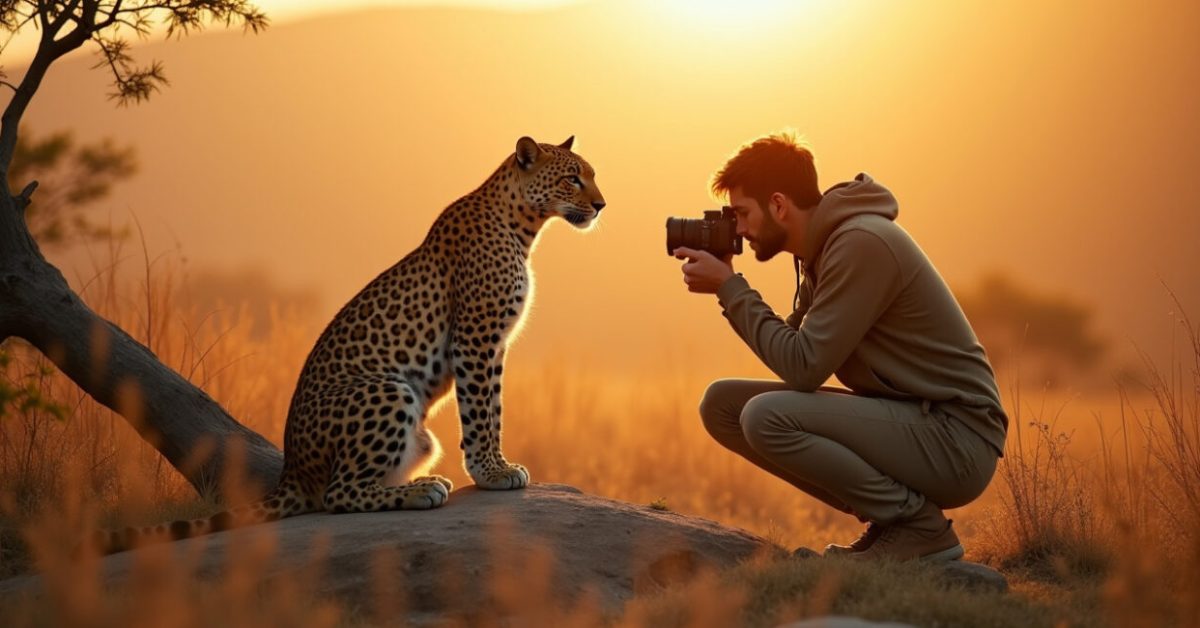

The leopard paused three meters away, blinked once, and turned its shoulder as if to say, “You’ve earned a look.” That split-second intimacy came from patience, not proximity. If you love wildlife travel and want photos like that, you need a plan that protects the animal and your shot.
How to Get Closer Without Changing the Animal’s Day
Approach is everything. In wildlife travel, moving like a guest—not a predator—keeps animals calm. Walk slow, keep low, and stop when the animal looks up. Use natural cover and shadows to break your silhouette. Many close encounters happen because photographers rushed or changed pace. Instead, match the animal’s rhythm and let curiosity do the rest.
The Focal Lengths Pros Actually Use in the Field
There’s no single “magic” lens—only the right tool for the moment. For birds and skittish mammals, 300–600mm is common. For large, tolerant subjects (elephants, hippos at a distance) 200–400mm works great. For behavioral, storytelling shots—mother with calf, grooming pairs—50–135mm lets you include context. In real wildlife travel shoots I’ve swapped 600mm for a 100mm and caught better expressions because I could show habitat and detail together.

Timing: When Patience Beats Power
Light and behavior align—if you wait. Dawn and dusk are prime for both animal activity and pleasing light. But timing isn’t only about sun. Rain can quiet places; a breeze can mask your approach. In wildlife travel, the most reliable “secret” is watching patterns: where animals feed, rest, and cross. Spend an hour observing before you lift the camera. Often the shot arrives when you stop chasing and start reading.
Reading Behavior: Cues That Keep You Safe and Ethical
Animals speak in micro-movements. Ears forward, tail flicks, sudden freezes—these are warnings. Learning three clear signs of discomfort for a species gives you leverage to act ethically. In wildlife travel, recognizing a change from curiosity to alertness should make you back off. Respecting those cues protects you and the animal’s routine. If a group abandons a den or nest, you moved too close.
The One Comparison That Changes How You Shoot
Expectation vs. reality: close equals intimate, not invasive. Many imagine “closer” means physically nearer. Expectation: creep to a foot for an eye-to-eye shot. Reality: intimacy often comes from context—light, angle, patience. A 300mm from 10 meters can be more revealing than 50mm at 3 meters if you let behavior unfold. In wildlife travel, the smarter strategy is emotional proximity, not physical proximity.
Common Mistakes to Avoid (so Animals Stay Wild—and You Do Too)
These errors cost animals their safety and your credibility.
- Getting between young and parent—never do this.
- Using calls or bait—alters natural behavior and can be illegal.
- Ignoring warning signs—pushes animals to flee and wastes your time.
- Over-lighting at night—flash can blind or disorient wildlife.
- Sharing location of sensitive sites publicly—invites disturbance.
In wildlife travel, avoiding these mistakes keeps habitats intact and future access possible.
Practical Kit and Quick Protocols for Ethical Close-ups
Pack smart, act smarter. Carry a 300mm or 400mm prime, a 24–70mm for context, a monopod for steadiness, and neutral-colored clothes. Use silent drive modes, low shutter noise, and turn off focus beep. When you arrive, set a retreat point. If an animal reacts—move to that point immediately. Share wildlife travel tips with guides and locals; collective care scales better than solo heroics.
Two reliable resources: research on disturbance effects can guide your methods—see National Park Service wildlife viewing advice—and for species-specific rules check local conservation authorities or IUCN.
Close wildlife photos are won by humility, not bravado. When you choose the animal’s comfort over your immediate frame, the images you get are sharper, truer, and last longer in the memory.
How Close Can I Safely Get to Wildlife?
Safe distance varies by species and situation, but the rule is simple: stay far enough that the animal doesn’t change its behavior. For many birds and small mammals this means 10–30 meters; for large mammals it can be 50–100 meters or more. When in doubt, use a long lens and observe first. If the animal stands up, stares, or moves away, you’re too close. Prioritize the animal’s routine over your shot—it keeps animals wild and you out of harm’s way.
What Focal Length Should I Take for a Short Wildlife Travel Trip?
Pack for flexibility: a 100–400mm zoom covers most needs, letting you reach distant subjects and still crop for detail. Add a 24–70mm or 35mm if you want habitat or storytelling frames. If weight is critical, a 300mm prime and a 24–70mm offer a powerful, lightweight combo. Remember: distance and patience often beat pushing closer, so prioritize lens reach over brute proximity on short trips.
When is It Okay to Use Calls, Bait, or Flash?
Generally, don’t. Calls and bait change natural behaviors and can harm animal health or increase predation risk. Flash can disturb, blind, or stress animals, especially at night. Exceptions exist for trained researchers working under permits with protocols. For wildlife travel photography aimed at conservation-minded viewers, avoid these tools. They give short-term gains but long-term losses—loss of trust, legal trouble, and damaged habitats.
How Do I Prepare My Group or Guide for Ethical Wildlife Travel?
Talk expectations before you leave. Agree on distance limits, rotation of photographers, and quiet rules. Share simple signals: a raised hand means stop; a low whistle means retreat. Encourage swapping lenses instead of crowding a single spot. Local guides often know micro-behaviors—listen to them. When everyone follows the same protocol, animals stay relaxed and everyone gets better shots without risking disturbance.
What Actions Help Conservation While Photographing Wildlife?
Practice low-impact habits: stay on trails, pack out trash, avoid revealing nest sites, and never feed wildlife. Support local conservation through fees, licensed guides, or donations. Share images responsibly—omit exact GPS tags for sensitive species and avoid posting locations of nests or dens. Small choices keep habitats healthy and ensure future wildlife travel opportunities for photographers and researchers alike.