

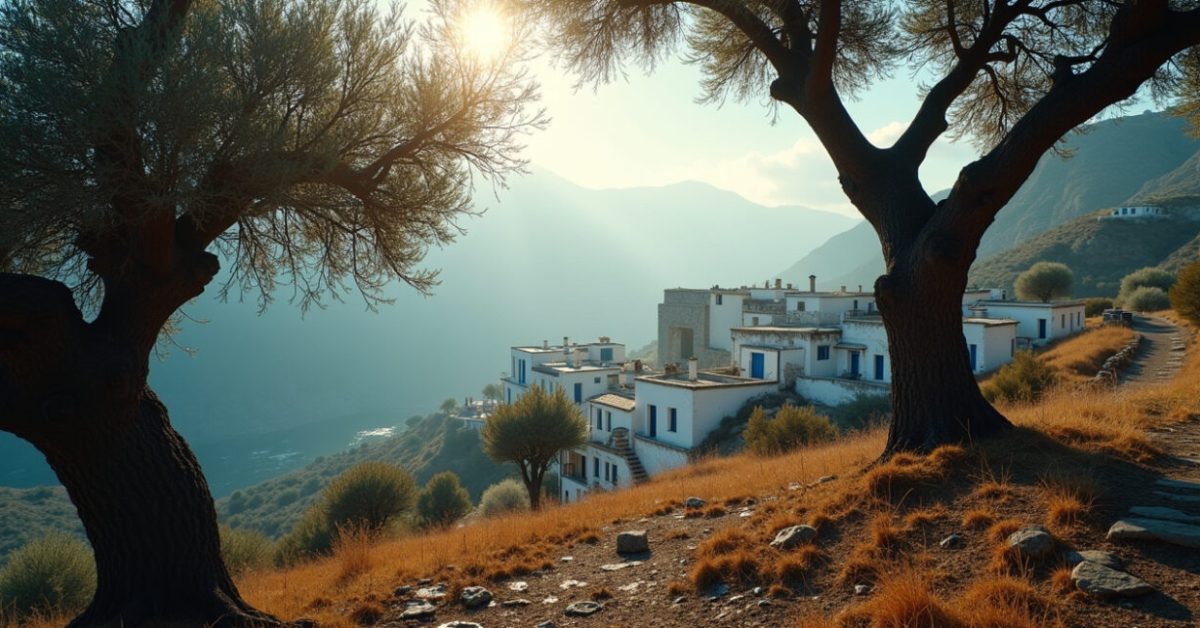

Sun slicing through olive groves. A sudden blanket of fog over a whitewashed village. The light in Greece changes not by the hour but by the mood of the season — and knowing when to chase it is the short cut to landscape photos that stop thumbs. These weather tips show when to expect drama, softness, or crystal clarity so you can be on the right hill, at the right moment.
When Winter Skies Give You Cinematic Drama
Winter in Greece often brings the most cinematic light. Heavy clouds, low sun and coastal storms create deep contrast that makes ruins and cliffs pop. Use these weather tips: aim for the 24–48 hours after a cold front; textures sharpen and colors deepen. Northern and central Greece get more of this mood, while islands may only show it briefly. For storm timing and fronts check forecasts like Hellenic National Meteorological Service and NOAA to plan shoots.
Why Golden Hour in Spring Feels Different Here
Spring light in Greece is thin, warm and forgiving. After cool nights, mornings throw a gentle gold that softens stone and skin tones. These weather tips: chase early mornings on the east coast for long, clean shadows; afternoons on calcareous islands bring a subtle glow. Spring haze can mute color — sometimes good, sometimes not. Expect clearer air inland and a softer palette near the sea.

The Fogy Mornings Worth Waking Up For
Fog in Greece is rare enough to be magical. Coastal valleys and mountain passes trap moisture after calm, cool nights. These weather tips: pick low-lying villages or bays; arrive before sunrise and stay until the light slices through. A quick comparison: clear sunrise = postcard; foggy dawn = cinematic mystery. Bring a lens cloth — salt and mist will show up fast. One time, a ferry crossing revealed islands as floating heads in the fog; the shot paid for the cold coffee.
How Summer Crystal Light Flattens — And When It Helps
High summer light can flatten details but make colors vivid. Midday sun is harsh on faces and textures, yet it makes the Aegean sea sparkle like glass. These weather tips: avoid noon for portraits; use it for saturated seascapes or architectural silhouettes. Seek shade or golden-hour windows for texture. For coastal photographers, wind forecasts matter: a calm strong-light day equals mirror-like water; wind gives waves and motion.
The Coastal Microclimates That Change a Scene in Minutes
Sea breezes and thermal shifts rewrite the landscape fast. Islands often have a different sky than the mainland an hour away. These weather tips: watch local wind patterns; a northerly breeze clears haze and cools light, a southerly brings humidity and softer contrast. Always carry a lightweight windbreaker and check short-term models. For authoritative seasonal patterns see NOAA seasonal summaries and regional services.
The One Comparison That Saves Shots: Expectation Vs. Reality
Expectation: turquoise sea and endless blue. Reality: sometimes gritty mist or low clouds that mute color. Knowing this difference is a photographer’s edge. These weather tips: set two plans for every shoot — the “blue-sky” plan and the “mood” plan. If the sky betrays you, move for foreground interest, long exposures or black-and-white conversions. That switch from disappointment to opportunity separates snapshots from publishable images.
Common Mistakes That Ruin a Greek Landscape Shoot (and How to Avoid Them)
Most people pick the wrong hour, then blame the weather. Common errors: chasing midday sun, ignoring local wind, trusting a single long-range forecast. These weather tips to avoid failure:
- Don’t rely only on clear-sky forecasts — check short-term updates.
- Don’t shoot from the obvious spot; move 10–50 meters for better light.
- Don’t forget humidity — it kills contrast quickly.
A tiny adjustment in timing or position often turns a flat image into a keeper.
Weather in Greece is a collaborator, not an obstacle. Learn its moods, and you’ll stop chasing perfect days and start creating them.
Ready to rethink your next trip? Pick one weather tip here, set an alarm, and go test it at sunrise. The coast or the mountain won’t forgive lateness — but it will reward patience.
How Do Seasons Change the Color Palette Across Greece?
Seasonal shifts alter humidity, sun angle, and vegetation — and that changes color. Winters deepen blues and greys with higher contrast. Spring adds pastels and softer shadows from lower haze. Summer gives saturated blues and bright highlights but flattens texture during midday. Autumn warms stone and foliage with golden afternoons and clearer air. Use these weather tips by matching season to mood: dramatic in winter, gentle in spring, vivid in summer, warm and textured in autumn.
When Should I Plan for Foggy Mornings on the Islands?
Fog favors calm nights after warm days followed by cool air, often in late autumn and early spring. Coastal valleys and bays trap that moist air. The best weather tips: monitor local wind (calm is key) and check the overnight temperature drop. Scout low-elevation spots the day before so you can be in place before dawn. Fog dissipates quickly once the sun rises, so timing — and getting up early — is everything for these rare, cinematic moments.
Which Forecasts or Tools Are Best for Short-term Shoots?
Short-term accuracy comes from high-resolution models and local observations. Use nowcasting tools that show hourly changes and wind shifts. Combine international sources like NOAA with regional services such as Meteo.gr. Weather stations, satellite imagery and wind apps help for coastal microclimates. These weather tips: cross-check three sources, trust the local report, and update within 6–12 hours of shoot time for best results.
How Do I Protect Gear from Sudden Coastal Weather Changes?
Coastal weather can switch in minutes: salt spray, wind, sudden rain. These weather tips: pack a rain cover and lens cloths, use silica gel in your bag, and keep a plastic bag handy for emergency shelter. A small umbrella rig helps during light drizzle. For long exposures bring weights or straps because wind topples tripods. Quick protective moves save expensive lenses and keep you shooting when others pack up.

Can Weather Tips Improve Compositions, Not Just Lighting?
Absolutely. Weather shapes foregrounds and lines: fog simplifies clutter, wind adds motion to grasses and water, harsh sun creates bold silhouettes. Use these weather tips to choose compositions that match conditions — minimize clutter in fog, include dynamic elements when wind is present, or isolate textures under clear light. Thinking this way turns weather from a nuisance into a creative tool and often makes the difference between a good photo and a memorable one.