

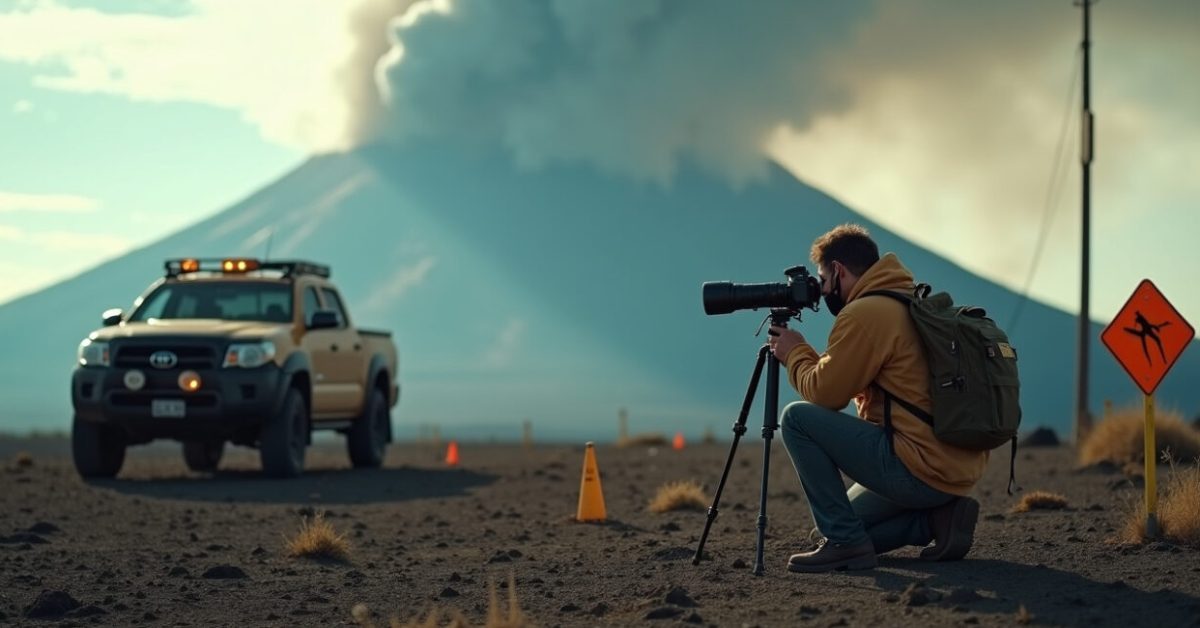

There was the moment the ash cloud turned the sky silver and the silhouette of the crater ripped through it — and the only frame that did the scene justice was taken from the edge of a safe zone with a 200mm lens and a stubborn low ISO. That is volcano photography: timing, gear, and nerve. If you want shots that stop a feed, you need field-tested rules that keep you alive and give you real drama, not hope.
Where to Stand Without Gambling Your Life
Safety beats the perfect angle every time. In Indonesia, monitoring reports change fast. Before any shoot, check the VSI (Volcanological Survey of Indonesia) for alert levels and exclusion zones. Volcano photography often tempts you to push boundaries; don’t. Plan for escape routes, wind direction, and transport that turns around on short notice. Pack a respirator, goggles, and a first-aid kit. Your position should let you shoot comfortably for long bursts — not sprint and pray.
The Lens and ISO Choices That Actually Work in Ash and Low Light
Pick lenses for distance and contrast, not ego. For most Indonesian volcanoes, a 70–200mm gives drama while keeping you out of danger; bring a 24–70mm for context shots showing scale. Use faster primes (50mm, 85mm) at dawn. Set ISO low (100–400) when shooting ash-lit landscapes to keep detail; bump to 800–1600 for night eruptions and lightning bolts inside ash clouds. Volcano photography requires balancing grain against shutter speed — use a tripod and mirror lock for long exposures.

Timing Eruptions, Lightning, and Ash: When to Press the Shutter
Timing is research plus patience. Eruptions have moods: foamy strombolian bursts, steady plumes, sudden explosions. Watch seismic feeds and locals’ patterns. Ash glows differently at sunrise, so the first hour after dawn often gives soft backlight and texture. For pyroclastic events or ash lightning, use high frame-rate bursts or 1–4 second long exposures to capture streaks. Volcano photography is about anticipating the motion — and being disciplined enough to wait for the meaningful frame rather than chasing every minor puff.
Composing for Scale and Drama: Make the Mountain Feel Gigantic
People and foregrounds sell scale better than zooming in. Place a tiny human silhouette, a coconut tree, or a trail in the frame to show size. Low angles and wide lenses near safe foreground objects create depth and menace. Use negative space to emphasize the plume. A useful trick: shoot a wide environmental portrait, then switch to a tight telephoto for a dramatic compressed view. The comparison is striking — wide shows place, telephoto turns mood to cinematic. Volcano photography is storytelling through scale.
What to Avoid: Common Mistakes That Ruin a Shoot
Knowing what not to do saves gear and lives. Common errors in volcano photography: ignoring wind and getting ash inside your camera, shooting without a respirator, trusting a single transport plan, using too high an ISO for ash-lit scenes, and relying on one lens only. Avoid shooting from unofficial trails, and don’t tether expensive gear where a gust can pull it into a crater. Bring rain covers, silica gel, and lens caps. These small choices decide whether you walk away with frames — and your health.
A Quick Field Checklist That Pros Actually Use
Checklist reduces stress; stress ruins photos. Before approach: check alert level, local guides, and weather. Gear list: two bodies, 24–70mm, 70–200mm, one fast prime, tripod, respirator (P2/P3), goggles, lens cleaning kit, rain covers, spare batteries, and maps. On site: scout safe compositions, set white balance for ash haze, bracket exposures, and shoot RAW. Pack lightweight but redundant systems — you might need to change lenses with gloves. Volcano photography rewards preflight checks and ruthless prioritizing.
The One Scene That Changed How I Shoot Volcanoes
A crater rim I visited had a guide who refused to get close. He stayed back, signaling when a plume changed. I moved in instinctively, got one frame, and a sudden blast forced me back. That single frame — wide, with a tiny guide in the foreground — ran on a front page. The lesson was brutal and simple: the best shot often comes from restraint, not brashness. That moment altered every volcano photography decision I now make on the rim.
For eruption patterns and ash forecasts, reputable sources like the USGS Volcano Hazards and local observatories are essential reading. Use them before you plan any fieldwork.
One last question to leave you with: will you take the safe shot that tells the story — or risk everything for a single risky frame? Choose wisely.
How Close Can I Safely Get to an Active Indonesian Volcano to Photograph It?
Safe distance depends on the volcano’s alert level, wind, and eruption type. For weak steam and minor ash, official exclusion zones may allow photography from a few hundred meters; for explosive activity, safe distances jump to kilometers. Always consult local observatory alerts and hire experienced local guides. Bring protective equipment and have clear exit routes. Never rely on past visits—conditions change. If authorities close an area, respect that line: it’s drawn from seismic data and real risk, not caution for photographers.
What Camera Settings Should I Start with During a Dawn Ash Plume?
Begin with ISO 100–400 to capture texture without noise, aperture f/8–f/11 for depth, and shutter speed around 1/125–1/500 for steady plumes. If light is low, raise ISO before opening up aperture too wide; ash reduces contrast, so keep detail crisp. Bracket exposures by ±1–2 stops to catch highlights and shadow in the plume. Shoot RAW for recovery in post. Adjust based on movement: faster plumes need higher shutter speeds, while dramatic slow exposures can show flow with 1–4 seconds.
How Do I Protect My Gear from Ash and Acid Rain in the Field?
Protection is simple and non-negotiable: use rain covers or zip-lock bags while shooting, change lenses only inside a sealed bag, and keep silica gel in your camera bag. After a shoot, wipe gear with a microfiber cloth and compressed air (careful with sensors). Acidic fallout needs prompt cleaning; rinse metal parts with distilled water if exposed and dry thoroughly. Regular maintenance and immediate cleaning prevent costly damage. Never leave gear exposed during sudden ash gusts or rain—those minutes can ruin a sensor or lens coating.
Which Lenses Give the Most Storytelling Power for Volcano Photography?
A combination of a wide-angle 24–70mm and a telephoto 70–200mm covers most needs: wide lenses show the volcano’s environment and human scale; telephotos isolate plumes and compress layers for drama. A fast prime like a 50mm or 85mm is handy at dawn or night for low-light detail. Avoid just carrying a single zoom: switching focal lengths during peak moments gives you both context and emotion. The right lens choice is less about specs and more about narrating the scene.
Can Drones Replace Being on the Rim for Dramatic Shots?
Drones add perspectives impossible from the rim, but they come with limits: local regulations, flight bans during eruptions, ash damage to motors, and signal loss in ash clouds. Use drones for safe bird’s-eye context when permitted, but don’t expect them to replace ground-based texture and scale. Also respect local rules and wildlife. In many Indonesian sites, coordinating with authorities and using experienced pilots gives the best results — drones are tools, not an excuse to ignore field safety or local guidance.