


You’ve felt that small panic when a postcard-perfect Tenerife views photo hides a real-world hazard—cliffs that crumble, forests that are fragile, and drones that suddenly get you fined. You’re not paranoid; you’re noticing details most guides skip.
Here I promise a blunt, local-flavored roundup of seven Tenerife views that travel blogs gloss over. Expect warnings, exact spots to be cautious, and who or what is changing each overlook.
I’ll show secluded cliffs, seasonal landslide zones, laurel forest balks, and the new developments that quietly threaten them—so you can enjoy the view without becoming the headline.
Tenerife Views That Feel Safe… Until They’re Not
Think you can trust every railing and path? Think again. Here’s the secret: many “must-see” panoramas sit on unstable geology or inside protected habitats. Don’t assume safety.
- Secluded cliff edges with loose basalt.
- Overlooks above seasonal landslide scars.
- Trails sliced by recent access roads.
Local guides often skip these because they don’t want crowds, and tour operators prefer polished spots. But knowing which Tenerife views are precarious lets you plan safer routes—and still get the photo.
Secluded Cliffs: Why “off the Map” is Risky
You chase solitude and find a razor-thin ledge. Sounds dreamy—until it rains. Many secluded Tenerife views are atop eroded volcanic terraces that shed rock after winter storms.
- Loose scree surfaces that look solid.
- Hidden undercut ledges from wave action.
- Unmarked goat paths that break away.
Those tiny pebbles beneath your boots? They’re the first sign of collapse. If the local weather service notes recent storms, skip the edge. Check satellite imagery from official sources like the Canary Islands government for erosion alerts: Canary Islands Gov.

Seasonal Landslide Zones: The Invisible Timeline
Here’s something few bloggers explain: Tenerife views change by season. Winter rains and spring thaws reactivate old landslide scars—turning a safe lookout in summer into a trap in winter.
- Episodic slides after heavy rainfall.
- Vegetation cover hiding unstable scarps.
- Roads rerouted temporarily, then forgotten.
Check rainfall and slope-stability reports before you go. The University of La Laguna publishes relevant geological studies and alerts—use those maps, not just Instagram tags: University of La Laguna.
Laurisilva Overlooks: Fragile Beauty Under Pressure
The laurel forest looks eternal, but many Tenerife views hover over remnants of laurisilva that regenerate slowly. You stepping off-trail can damage root mats that stabilize slopes.
- Trampling kills seedling recruitment.
- Micro-paths widen after heavy foot traffic.
- Seed dispersal disrupted by development.
These forests are biodiversity hotspots. Even small shortcuts to a viewpoint can fragment habitat. Protect the canopy—stay on marked routes and resist the urge to scramble for “better light.” Conservation groups often list sensitive trails; check their advisories before visiting.
Drone-restricted Panoramas: The Fine Print You’ll Regret Ignoring
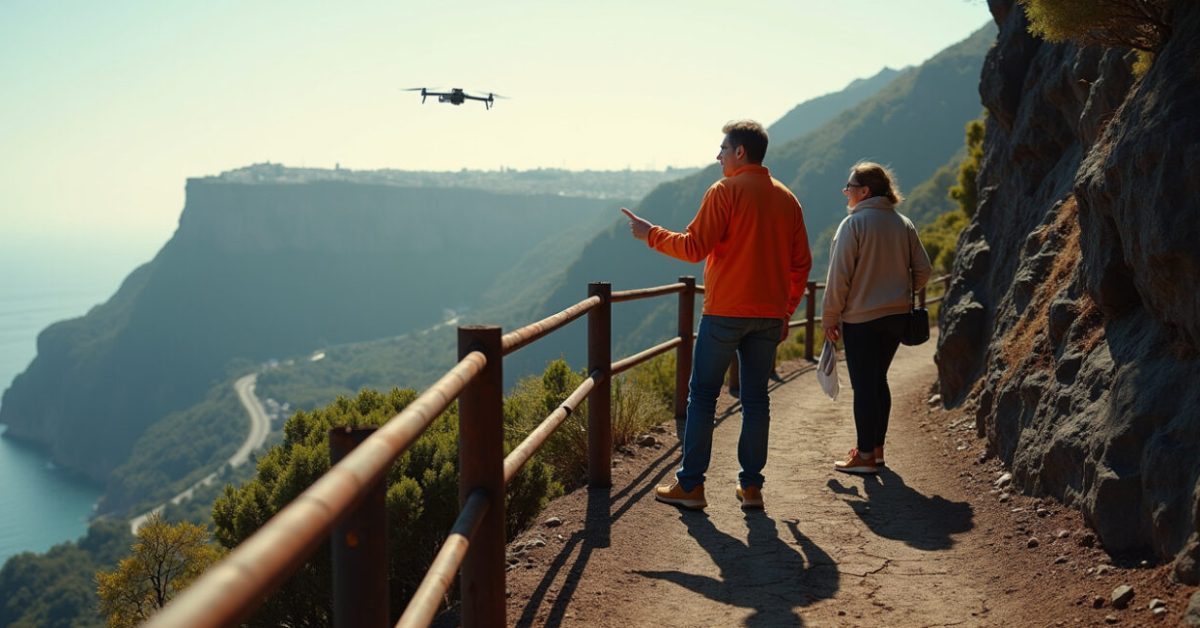
Flying a drone over a dramatic Tenerife view can feel cinematic. Here’s the catch: many overlooks are inside restricted airspace or protected areas where drones are banned. Fines are real—and so is the risk of startling wildlife.
- National Park no-fly zones.
- Proximity to airports like Tenerife North.
- Breaching protected species’ habitats.
Always check AENA’s airspace rules and local park regulations. If you want cinematic footage, apply for permits—and consider guided drone tours that operate legally. Breaking the rules can lead to confiscation and heavy fines.
How Recent Development is Quietly Erasing Viewpoints
New resorts and access roads promise convenience, but they also change the geometry of Tenerife views. What was a raw cliff edge becomes a manicured terrace—less wild, more crowded.
| Viewpoint Type | Development Impact |
|---|---|
| Secluded cliff | Increased erosion from new paths |
| Forest overlook | Habitat fragmentation |
| Coastal platform | Commercial viewing decks, fewer raw views |
Developers often win small permits that add up. If you value raw Tenerife views, prioritize protected routes and local cooperatives that resist overbuilding.

What to Avoid: Don’ts That Save You and the Island
- Don’t ignore posted closure signs.
- Don’t fly drones in parks without permits.
- Don’t take “shortcut” trails down fragile slopes.
Breaking these simple rules doesn’t just endanger you; it damages trails and gives authorities reason to restrict access further. Respecting limits keeps viewpoints open for everyone—and maintains the wild character you came for.
Quick Survival Checklist Before You Chase a Tenerife View
Short on time? Use this checklist to avoid the most common mistakes and keep your visit low-impact.
- Check seasonal landslide alerts and recent rainfall.
- Confirm drone rules and airport proximity.
- Follow marked trails; resist off-trail temptation.
Carry proper shoes, a charged phone with maps, and local emergency numbers. If a view feels unsafe, it’s not worth the photo. Trust locals who know which Tenerife views are risky.
Final thought: Tenerife views can be transformative—but the safest, most meaningful panoramas are those you experience responsibly. You now know the hidden risks and what development is changing. Go see the island, but don’t let a single photo cost you safety or the habitat.
Share this with a friend who chases horizons. If enough of us care, the raw, precarious beauty of Tenerife can stay that way.
Is It Illegal to Fly a Drone over Tenerife’s National Parks?
Yes, in most cases it is illegal without a permit. Tenerife’s national parks and many protected laurisilva areas have strict no-fly rules to protect wildlife and visitor safety. You must check AENA and park-specific regulations and apply for permits well in advance. Unauthorized flights risk fines, equipment seizure, and disruption to nesting birds and hikers.
How Can I Tell If a Cliffside Viewpoint is Unstable?
Look for warning signs like recurring rock fall, newly exposed soil, and vegetation gaps. Loose scree underfoot, cracks in paved paths, and recent storm damage are red flags. If local advisories or recent rainfall suggest instability, avoid edges. Use satellite maps and official geological alerts for the most reliable information before approaching precarious Tenerife views.
Are There Official Maps for Seasonal Landslide Zones on Tenerife?
Yes, geological surveys and some university research provide maps highlighting unstable slopes and past landslides. The University of La Laguna and Canary Islands government publish studies and advisories; consulting them before hiking helps you avoid seasonal risk areas. These maps detail historical slides and areas prone to activation after heavy rains—critical intel for planning safe routes to viewpoints.
What’s the Best Etiquette for Visiting Laurel Forest Overlooks?
Stay strictly on marked trails, keep noise low, and never remove vegetation or rocks. Laurel forests are fragile: trampling seedlings and compacting soil reduces regeneration. Pack out all trash, avoid feeding wildlife, and stick to established viewpoints. If you see unofficial paths, don’t use them—report eroded or damaged segments to local conservation groups to help preserve these sensitive Tenerife views.
How Does Recent Development Typically Affect Coastal Panoramas?
Development often replaces raw coastal terraces with platforms, railings, or tourist facilities—changing sightlines and increasing foot traffic. That can accelerate erosion and diminish the sense of wilderness. New roads make access easier but concentrate visitors, which stresses habitats. Supporting local initiatives that favor low-impact infrastructure helps protect the character of Tenerife views for future visitors.