

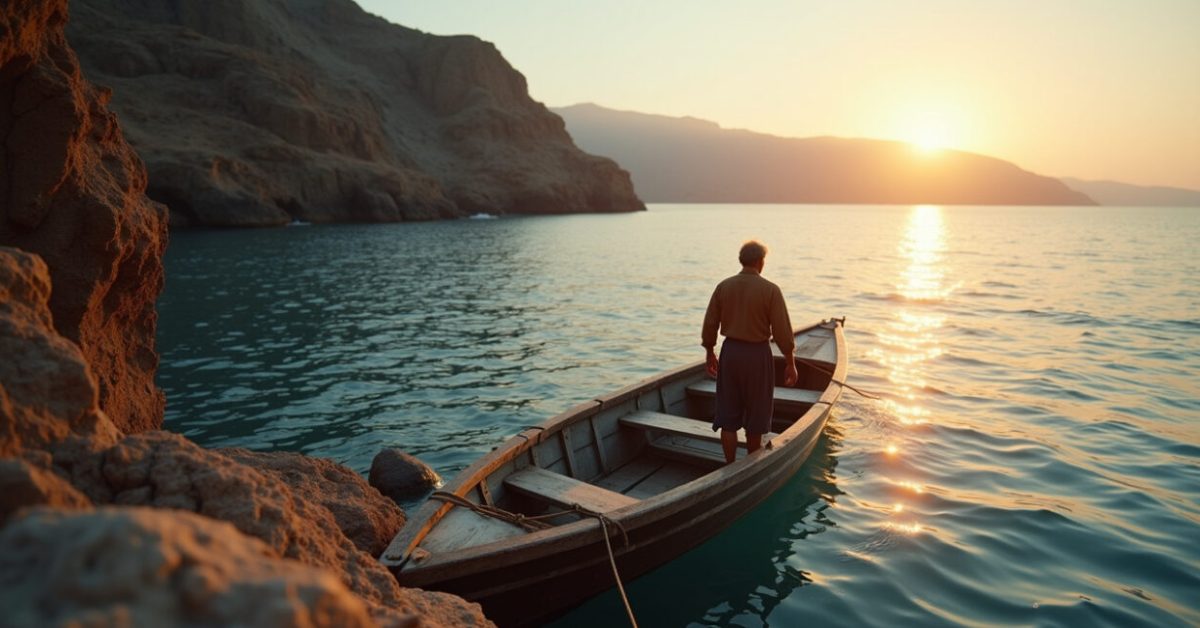

The light bent across the caldera like a soft blade. A fisherman tied his boat just where the frame needed it. In that moment, the Greece landscapes I’d chased in postcards finally became a photograph that felt true — not just pretty. If you want that same feeling, this guide gives you the exact gear, timing, composition moves, and local tips to turn ordinary Greek views into magazine-ready images.
Why the Golden Hour in Greece Landscapes Beats Any Tutorial
Golden hour in Greece landscapes is not a tip — it’s the secret sauce. The islands and mountains react to low light differently: Santorini’s cliffs glow in a warm, honey way, while the Pindus range takes on cool, cinematic shadows. Aim to shoot 40 minutes before and 20 minutes after sunrise or sunset. That window gives you color gradients, long shadows for depth, and softer highlights on rock and sea.
Practical note: set exposure compensation to -0.3 to -1 EV when the sky is dramatic. That preserves color and avoids blown highlights.
The Exact Kit That Covers Islands, Cliffs, and Alpine Scree
One bag that travels light and shoots everything:
- Camera: Mirrorless with good dynamic range (e.g., full-frame or APS-C strong low-light).
- Lenses: 16–35mm wide, 24–70mm standard zoom, 70–200mm for compressed island shots.
- Accessories: Lightweight tripod, ND filter (6–10 stop), circular polarizer, spare batteries, microfiber cloth.
For Greece landscapes you don’t need exotic gear. The right filters, a solid tripod, and a good standard zoom will cover 90% of scenes. Rent a long lens locally if you want dramatic compression of cliff villages.

Composition Moves That Make a Postcard Feel Like a Story
Composing for Greece landscapes is about layers and scale. Place a foreground element (rock, flower, boat) to lead the eye. Use midground architecture (whitewashed house, chapel) and a dramatic background (sea or mountain ridge). That three-layer approach turns a pretty view into a narrative.
- Use leading lines: trails, shorelines, and terraces.
- Frame with local elements: bougainvillea, stone steps, or fishing gear.
- Think about negative space: empty sky can be powerful.
Comparison that snaps the point: a tight crop of Santorini’s blue dome is charming; a layered shot with dome, terrace, and caldera at sunset tells where you were, who was there, and why it mattered.
Timing and Weather Hacks by Region
Each region of Greece has its own clock. The Cyclades heat up and calm at midday; mornings reveal mist in northern gorges; autumn delivers crisp light in the Peloponnese. Check local sunrise/sunset, but also seasonal winds: the Meltemi in July changes sky and sea texture quickly.
- Cyclades (e.g., Santorini, Mykonos): shoot sunrise for empty streets, sunset for caldera drama.
- Mainland mountains (Pindus): late afternoon light for ridges, foggy mornings for mood.
- Peloponnese & Epirus: autumn and spring give the best color and fewer tourists.
Pro tip: follow local weather stations or the Hellenic National Meteorological Service for microclimate alerts. A sudden overcast can be your best friend for long exposures.
Local Tips: Where to Go, Who to Ask, What to Avoid
Knowing one local person saves hours of scouting. Ask tavern owners, fishermen, or hotel staff for obscure viewpoints. They’ll point you to terraces, private paths, or a boat launch that Instagram can’t find. For access and conservation, respect private property signs and sacred sites.
- Do: arrive early, tip guides, ask permission for private viewpoints.
- Don’t: drive off marked tracks in fragile ecosystems or pick protected plants.
Errors to avoid: over-saturating blue skies in post, shooting only mid-day, and assuming every viewpoint is free to access. These common mistakes turn epic Greece landscapes into flat, generic pictures.
The Editing Workflow That Keeps Your Shots Honest
Edit to enhance what was there, not to invent a scene. Start by correcting lens distortion and white balance. Then adjust exposure, recover highlights, and push shadows for texture. Use localized dodging and burning to lead the eye. For long exposures, remove color cast from seawater carefully — overdoing it makes images feel fake.
A quick before/after rule: if your edit makes the sky an impossible neon, dial it back. Authenticity sells in travel photography. For technical guidance, consult resources like the National Geographic photography tips and regional climate info from the Hellenic National Meteorological Service.
When a Shot Fails: A Mini-case That Teaches More Than Success
We hiked at dawn toward a volcanic rim with a plan to shoot the light. Halfway up, fog swallowed the view. We waited. The fog turned the caldera into layers of soft gray. I set a low ISO, used a polarizer, and made a composition around a lone shepherd’s hut. The result wasn’t the cliffside panorama I wanted — it was better: moody, quiet, and unique.
Lesson: in Greece landscapes, adaptation beats plans. When the light or weather ruins an idea, use constraints to find a new, stronger story.

Ready to stop collecting pretty pictures and start making images that feel like memories? Pick one island, one mountain, and one technique to master on your next trip. Do that well and everything else follows.
How Do I Choose the Best Island or Mountain for Landscape Photos?
Choose based on the mood you want. For stark white architecture and caldera views, pick Santorini or the Cyclades; they reward sunrise and sunset framing. For dramatic rock formations and waterfalls, head to Epirus or the Peloponnese, where rugged terrain and seasonal rivers create texture. For alpine ridgelines and forested valleys, the Pindus range is ideal. Consider logistics: travel time, access roads, and accommodation. If you want fewer tourists, plan shoulder seasons like late spring or early autumn.
What Lens Should I Bring If I Can Only Take One?
If you must pack one lens, choose a versatile zoom like a 24–70mm. It covers wide-enough scenes for village views and tight-enough frames for distant details. On APS-C bodies, a 17–50mm hits similar versatility. The 24–70mm lets you shoot landscapes, street scenes, and portraits without changing lenses in windy or sandy conditions. Pair it with a small travel tripod and a circular polarizer; those additions improve sharpness and color far more than an extra prime lens would.
How Do I Shoot Long Exposures on Greek Coasts Without Ruining the Foreground?
Balance shutter speed with foreground detail. Use an ND filter to extend exposure for silky water while keeping a shutter fast enough to freeze slight movement in nearby grasses or boats. If the foreground moves a lot, shoot multiple exposures: one long for the water and one short for the foreground, then blend in post. Anchor your tripod securely on uneven rocks and use a remote or timer to avoid shake. Finally, check edges for motion blur and retouch selectively if needed.
What Permits or Rules Should I Know When Shooting in Greece Landscapes?
Most outdoor landscapes are accessible without permits, but some sites (archaeological zones, islands with protected wildlife, private estates) require permission or fees. Drone use has strict rules: you must follow Greek aviation regulations and avoid no-fly zones around airports and archaeological sites. For commercial shoots or large setups, contact local authorities or park management in advance. Always respect signs, stay on marked trails, and avoid disturbing flora and fauna to protect the places you photograph.
How Can I Make My Greece Landscape Photos Stand Out on Social Feeds?
Tell a story. Instead of one perfect postcard, post a sequence: a wide establishing shot, a detail, and a human element. Use natural color grading that retains skin tones and sky nuance. Engage with captions that add local context — a small history fact, a scent, or a guide’s tip. Timing matters: post when followers are active, and mix formats (carousel, short video) to increase engagement. Authenticity and variety beat perfect-but-repeated presets every time.