

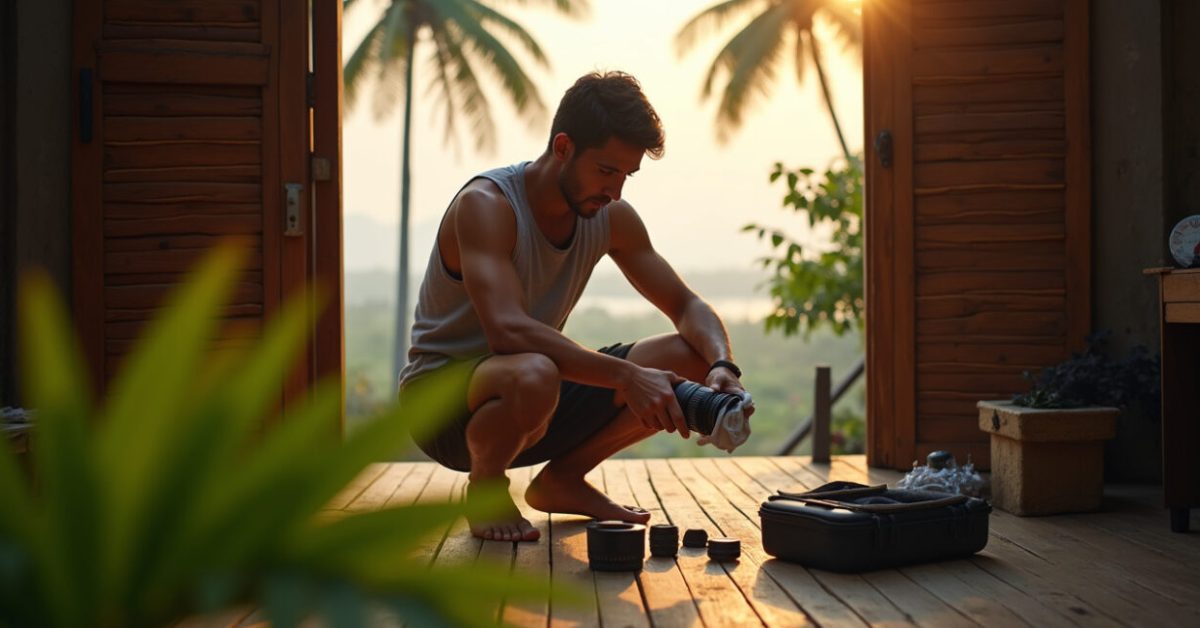

Steam on the lens, a soft thud as your camera breathes in humid air, and you realize your kit is silently dying. In Indonesia’s tropics, gear for humid climates doesn’t mean tacking on a rain cover and hoping for the best. It means a routine that beats mold, salt, and sweat before they wreck your shots—and your budget.
Why Most Photographers Lose Gear in the Tropics (and How to Stop It)
Humidity is not just uncomfortable—it eats electronics and glass. Gear for humid climates suffers corrosion, fungus on lenses, sticky buttons, and flaky contacts. A damp night in a bag is worse than a day in rain.
- Corrosion builds slowly; you’ll see it in months, not days.
- Mold grows in organic dust on the glass and foam seals.
- Salt air near the coasts accelerates metal decay.
Stop it by drying proactively, using desiccants, and treating seals. These steps turn a costly failure into routine maintenance you can do between shoots.
The Quick-dry Checklist You’ll Actually Use
When you finish shooting, a short drying routine saves weeks of trouble. Gear for humid climates responds to small, daily habits far better than to one big cleanup later.
- Air out your bag and gear for 30–60 minutes in the shade.
- Remove batteries and memory cards immediately.
- Use silica gel or rechargeable dehumidifiers in your camera bag.
- Wipe lenses with a microfiber and keep caps on until dry.
Simple actions—daily—prevent fungal blooms and sticky mechanisms. Think of it as brushing your teeth for your equipment.

The Waterproofing Moves That Actually Work
Rain covers are fine. Sealing ports and using race-tested backpacks are better. For true protection, treat cases and bags as part of your kit: they must breathe and block water where it matters.
- Use a waterproof insert or dry bag inside backpacks.
- Apply silicone grease sparingly to rubber seals; avoid overdoing it.
- Choose zippers with storm flaps and taped seams.
For coastal shoots, rinse salt off gear with distilled water and dry quickly. Gear for humid climates needs both waterproofing and fast drying—don’t sacrifice one for the other.
Lens Care: Myths, Reality, and a Surprising Before/after
Myth: UV filters protect lenses from mold. Reality: they can trap moisture and lead to fungus. I once swapped a filter for a lens hood after a Bali trip—two months later the lens with the filter had tiny spots; the hood-protected lens was pristine.
Use a lens hood, clean only with a blower then a microfiber, and skip permanent filters unless necessary. For gear for humid climates, keep optical surfaces clean of organic residue; that residue is the food fungus loves.
Best Backpacks and Cases for Indonesia’s Heat (real Recommendations)
Not all camera bags are equal. For gear for humid climates, prioritize ventilation, modular inserts, and a waterproof liner. Here are solid options used by pros in the region:
- Backpack with removable dry bag (keeps contents dry if you’re caught in a downpour).
- Hard case with pressure valve for air travel and rainy days.
- Compact shoulder bag with foam that resists mold and wicks moisture.
Pick a bag that opens fully; avoid tunnel bags that trap damp air. Brands matter less than design: ventilation + quick-access + waterproof liner beats a nameplate every time.
Maintenance Habits That Extend Gear Life by Years
Maintenance is boring until it saves you thousands. A monthly 20-minute check beats a weekend of gear recovery. Gear for humid climates needs scheduled attention.
- Monthly: open and inspect body, lens mounts, and battery contacts.
- Quarterly: deep clean foam seals and apply small amounts of silicone grease.
- Annually: professional CLA (clean, lubrication, adjustment) for bodies and lenses.
Make maintenance non-negotiable—set a calendar alert after each trip. Little investments in time and supplies keep gear working and resale value high.
What to Avoid: Common Mistakes That Ruin Gear Fast
People assume protection is expensive. The real cost is cheap shortcuts. These are the errors that make gear for humid climates fail quickly:
- Leaving gear in a warm, sealed bag overnight.
- Using ordinary household dehumidifiers or silica packs that aren’t recharged.
- Rinsing salt with tap water instead of distilled water.
- Ignoring foam and gasket inspection until something sticks or leaks.
Fix these and you’ve removed 80% of the risk. If you do one thing today: pull gear out of bags to air it after every shoot.
For more on humidity’s effects on materials, the NOAA site has clear guidance on corrosion and moisture risks, and Indonesia’s BMKG offers reliable local climate data that helps plan drying routines and travel windows: NOAA and BMKG.
Gear for humid climates is not an expense—it’s a small daily practice that protects your vision and your wallet. Start tonight: empty your bag, dry the lenses, and stash fresh silica. Your next trip will thank you.
How Often Should I Dry My Gear After Shooting in Indonesia?
Dry gear after every shoot. Even short sessions trap moisture. A 30–60 minute air-out in the shade and removing batteries and cards is ideal. Use silica or a small rechargeable dehumidifier in your bag overnight if you can’t fully dry equipment. For coastal or rainy days, rinse salt with distilled water and dry immediately. Make a habit: consistent small actions prevent mold and corrosion far better than occasional deep cleans.
Which Desiccant is Best for Camera Bags in Humid Climates?
Rechargeable silica gel packs are the best balance of cost and performance. They absorb moisture quickly and can be revived with heat. Clay desiccants work but are slower; molecular sieves are great but pricier. Place multiple small packs throughout your bag—one pack won’t protect a full kit. Swap or recharge them after a few weeks in heavy humidity. Store spares dry in a sealed container to keep them effective when you need them.
Can I Use My Regular Backpack with a Rain Cover for Tropical Shoots?
Yes, but with caveats. A rain cover protects from downpours but can trap moisture inside the bag afterward, turning the interior into a humid chamber. For gear for humid climates, add a waterproof inner insert or dry bag and ensure the bag can be opened fully for airing. Also use silica packs and ventilate whenever possible. If you shoot near salt water often, consider a bag with replaceable foam that resists mold.
What Immediate Steps Should I Take If I Spot Fungus on a Lens?
Act fast. Remove the lens and isolate it from other gear. Light fungus on front or rear elements can sometimes be cleaned with professional optical solution, but interior fungus often needs a technician. Do not attempt aggressive scrubbing that could scratch coatings. Dry the lens thoroughly and avoid storing it until cleaned. If you’re in Indonesia, choose a reputable service center and consider a preventive service on neighboring lenses too—the environment that allowed one fungal spot likely affected others.
Is a Camera Insurance Policy Worth It for Humid Environments?
Insurance can be worthwhile, but read the fine print. Many policies exclude damage from long-term environmental neglect like mold or corrosion. For gear for humid climates, insurance is best paired with documented maintenance: keep logs of drying routines, receipts for silica packs and professional cleanings, and photos of condition before travel. Choose a policy that covers accidental damage and offers replacement value in your region. Insurance helps, but prevention is still your first line of defense.