

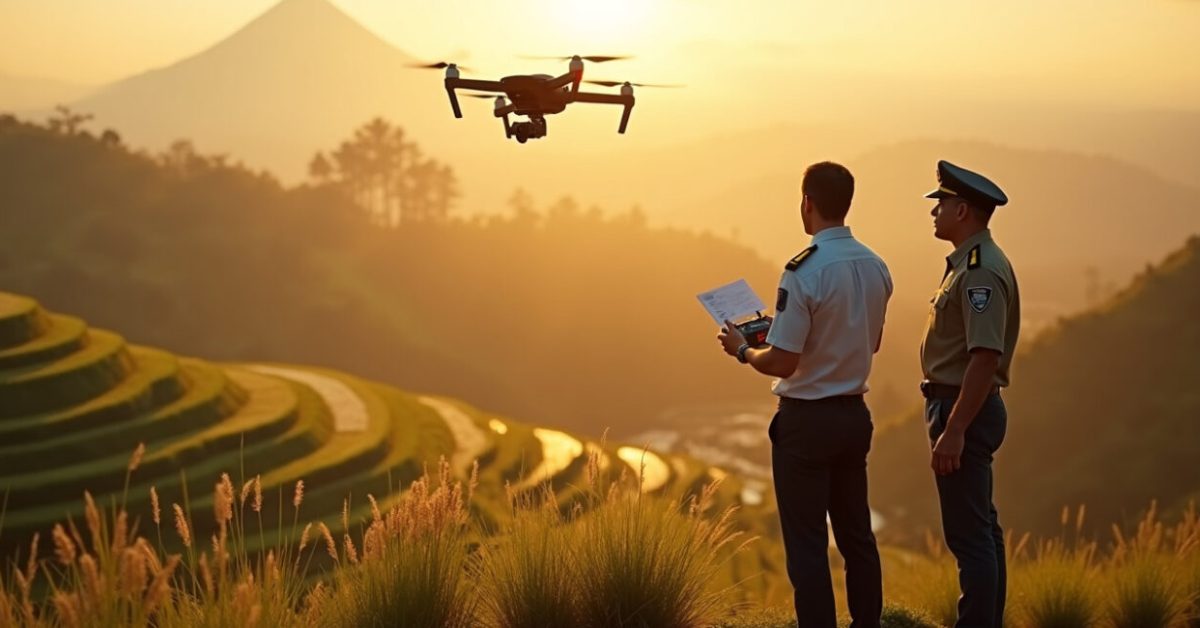

A drone hovering over a rice terrace can feel like magic — until you realize you’re three clicks from a fine or worse. If you plan to capture Indonesia’s coastlines, volcanoes, or temples, know the drone rules Indonesia top to bottom. Read this and you’ll avoid permits that surprise you, no-fly zones that ruin a shot, and the costly habit of assuming “it’ll be fine.”
What Permits Really Let You Fly — And Which Ones You Can Skip
You may need a permit even for a short landscape shoot. In Indonesia, the Civil Aviation Authority and local police can both require paperwork. For recreational flying under 2 kg you often only need to register the drone and follow basic rules. For commercial work, expect a formal permit, liability insurance, and a flight plan. The permit process differs by region: Bali enforces stricter checks than many outer islands. drone rules Indonesia matter more when you charge money or use the footage publicly.
The No-fly Map Nobody Tells You About (know These Hot Spots)
Military zones, airports, presidential compounds — those are hard no’s. Indonesia has many restricted areas: near Soekarno-Hatta (CGK), military bases, and some national parks. Also watch for temporary flight restrictions during events or VIP visits. Use official maps and apps before you launch. A quick online check can save you hours and fines. drone rules Indonesia are not uniform; check both national and local advisories.

The Simple Checklist Every Landscape Photographer Should Carry
A short checklist beats a long memory when you’re on a cliff at golden hour. Pack these: registration docs, ID, proof of insurance (if required), pre-approved flight plan (for commercial), spare batteries, and a compass or offline map. Respect local religious sites and villages — asking permission goes a long way. drone rules Indonesia reward planners: arrive ready and you’ll spend time shooting, not negotiating.
Common Mistakes That Cost Photographers Time and Money
Most fines come from avoidable mistakes. Here are the errors to avoid:
- Flying without registration or permit when required.
- Launching within 9 km of airports or inside a restricted zone.
- Ignoring local rules at temples, government sites, or events.
- Flying over people or crowds without authorization.
- Not having basic insurance when shooting commercially.
Fix these and you cut risk dramatically. drone rules Indonesia are strict, but they’re predictable if you learn them once.
A Mini-story: How a Sunrise Shot Almost Cost a Filmmaker His Gear
The first light was perfect above Borobudur. A filmmaker set up, launched, and started sweeping the temple. Within minutes two officers arrived. He’d assumed a quick sunrise was fine. He didn’t have a permit for that protected site. They seized the drone for questioning and fined him. He missed the window, lost half a day, and paid a fine. After that he always checked both national and local rules before any shoot. drone rules Indonesia turned one lesson into a lifelong habit.
Best Practices in the Field — Shoot Better, Safer, Cleaner
Shoot like a guest, not a conqueror. Keep these habits: fly below 120 meters, maintain visual line-of-sight, avoid flying over people, and shut off recording when locals ask. Use propeller guards near crowds and enable geofencing on your drone. For landscape shoots, plan takeoff spots, scout by foot first, and have a fallback landing zone. Respect privacy — don’t film private homes without consent. drone rules Indonesia are largely about respect and safety; follow them and locals will often help you find better angles.
Where to Find Official Info and How to Get Permits Fast
Go straight to the source and save days of guessing. For national rules, consult the Directorate General of Civil Aviation (DGCA) and their drone guidelines. For airport and airspace limits, check the Indonesian Air Navigation Service Provider and local airport notices. For permits, contact the regional Civil Aviation office or local police in advance. Useful links below speed this up.
Official resources: Directorate General of Civil Aviation (DGCA) and AirNav Indonesia.
Quick Comparison: Expectation Vs. Reality When Shooting in Indonesia
Expectation: fly, shoot, upload. Reality: paperwork, checks, and respect. Many visitors expect a relaxed scene: empty beaches, perfect light, easy launches. The reality: popular spots often have layered rules — national, regional, and site-specific. The good news is that with the right permits and local contact you get longer, safer access and better shots. drone rules Indonesia might slow your start but they buy you smoother, worry-free shoots.
Do I Always Need a Permit to Fly a Drone in Indonesia?
Not always. For hobby flights with drones under 2 kg you usually only need to register and follow basic rules like staying below 120 meters and away from airports. Commercial shoots, flights over crowds, or operations near restricted sites typically require formal permits, flight plans, and sometimes insurance. Local governments or protected sites may demand extra approvals. Always check national DGCA guidance and local authorities before you go to avoid surprises and fines.
How Close Can I Legally Fly to Airports or Populated Areas?
Maintain a safe distance. The basic rule is to stay at least 9 kilometers (roughly 5 nautical miles) from major airports unless you have explicit permission. Avoid flying over crowds or densely populated areas without authorization. Also keep visual line-of-sight and stay under 120 meters altitude. Local restrictions may be stricter, so confirm with airport notices and AirNav Indonesia before any shoot to prevent enforcement actions or confiscation of equipment.
What Documents Should I Carry on a Commercial Landscape Shoot?
Bring drone registration, pilot ID or license if applicable, operator permit, proof of insurance, and any site-specific approvals. Carry a printed flight plan and contact info for local aviation authorities. If you hired local fixers or guides, keep their permits or letters of permission handy. Having these documents organized prevents delays and shows respect to officials, which often leads to faster, friendlier inspections and fewer fines or confiscations.
Can I Fly Near Temples, National Parks, or Tourist Sites?
Many cultural and protected sites restrict or ban drones. Temples, national parks, and heritage areas often require special permission or prohibit drones entirely to protect visitors and wildlife. Always ask site management in advance. Even if national rules allow flight, local rules may not. Respecting these limits avoids fines and community backlash, and often yields better cooperation from staff who can suggest legal vantage points and safe launch zones for your shots.

What Happens If I Break Drone Rules — Fines, Confiscation, or Worse?
Penalties range from warnings to fines, equipment seizure, and legal action depending on the violation. Flying in restricted zones, near VIPs, or causing safety incidents can lead to heavy fines and criminal charges. Confiscation of your drone during investigation is common. Insurance might not cover negligence. The safest path: check DGCA rules, secure permits when required, and keep clear records of permissions to reduce the risk of enforcement and protect your gear.