

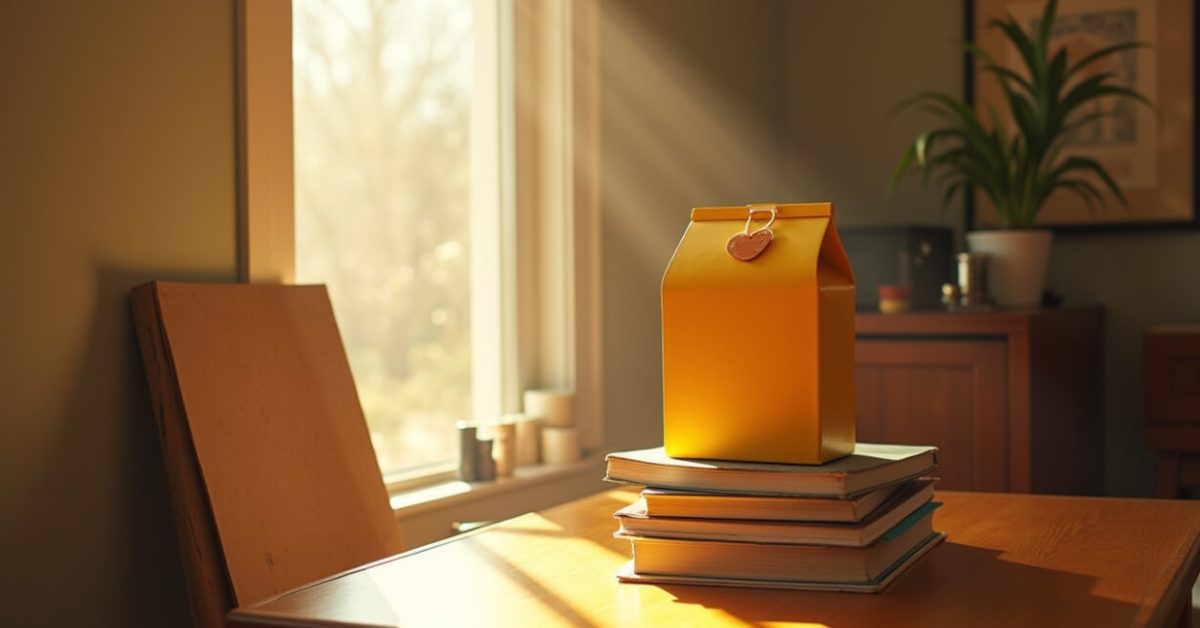

Light hits a cheap cereal box in a way that looks like a magazine cover. You tilt a mirror and suddenly the room has cinematic depth. That’s the magic of DIY props: small, cheap builds that make photos feel expensive. If you shoot on a phone or a thrifted camera, these tricks will change what you bring to a shoot and how fast you work.
Why DIY Props Beat Expensive Gear for Real Shoots
Most pro-looking photos don’t come from pricey equipment — they come from ideas executed well. A reflector board made from poster board can give you the same soft fill as a $200 diffuser. A sheet of textured paper taped to foam core becomes a backdrop that reads custom on camera. DIY props let you control light, scale, and story without renting a studio.
- Cost: pennies vs. hundreds
- Speed: assemble in minutes
- Flexibility: tweak on set
The Quick Kit: 9 Things You Should Always Have
Short list. Big impact. Keep these on hand and you’ll improvise props on the fly. DIY props here focus on materials that are cheap, available, and versatile.
- Foam core (white and black)
- Poster board and colored paper
- Small mirrors or mirrored tiles
- Clamps, gaffer tape, and command strips
- LED strip or small continuous light
- Glassware for reflections (wine glass, jar)
- Fabric scraps and textured knits
- Cheap picture frames (no glass)
- Hot glue and exacto knife
With those nine items you can make reflectors, diffusers, textured backgrounds, and reflective rigs. DIY props stop being “crafts” and start being real production tools.

Build-it-fast: Three Props You Can Make in Under 10 Minutes
Speed matters. Here are three high-return builds that change a shot in minutes.
- Mini bounce board: Tape poster board to a clipboard. Angle it to fill shadows.
- Macro stage: Cut foam core to create a curved background for small objects.
- Reflective strip: Use aluminum foil on card stock to create a narrow highlight for product edges.
Each one uses everyday items and fits in a shoulder bag. These DIY props are perfect when you have one light and five minutes to get the hero shot.
The Composition Trick Photographers Forget
Props aren’t just backgrounds — they guide the eye. Place a small reflective object off-center to create a visual “anchor.” Use a frame-within-frame built from cardboard to force attention to the subject. Depth is key: layer a blurred foreground element (fabric or glass) with a textured midground (paper or frame) and a clean background. This creates three planes of interest without extra lenses or lighting.
DIY props help you sculpt these planes. A thrifted vase becomes foreground blur. A painted board becomes midground texture. The result feels deliberate, not accidental.
Expectation Vs. Reality: A Comparison That Will Change How You Plan Shoots
Expectation: renting a studio and pro lights. Reality: most memorable photos come from adaptation and constraint. The surprising truth is that limited gear sharpens creativity.
| Expectation | Reality |
|---|---|
| Expensive gear fixes everything | A clever prop often solves the same problem |
| Long setup times | Simple DIY props cut setup to minutes |
| Uniform looks | Unique textures and angles create standouts |
That switch — from buying solutions to building them — is where DIY props win. It changes how you approach a shoot and what images you make.
Common Mistakes People Make with DIY Props (and How to Avoid Them)
People love DIY props, but some errors kill the effect fast. Here’s what to skip.
- Too busy backgrounds: A prop should support, not compete. Keep one strong element per frame.
- Poor scale judgment: Small props look lost next to big subjects. Test at camera distance.
- Shiny mistakes: Uncontrolled reflections can distract. Flag off lights or use matte finishes.
- Neglecting color cast: Colored paper can tint skin. Use white balance or gel when needed.
Each misstep is fixable with a quick test shot. Make the test your standard operating procedure when using DIY props.
Mini-story: How a Cereal Box and a Thrift Mirror Made a Portfolio Piece
I needed a moody portrait and had zero props. I tore a cereal box, painted it matte black, and propped it as a negative fill. I found a cracked mirror at a thrift store and used it for a fragmented reflection. Two cheap DIY props later, the client shared the image on their feed and said it felt “editorial.” The shot booked another job the next week. Small builds can create big opportunities.
Want to dig deeper? For craft safety and materials guidance, check resources like NIOSH for workshop safety and material recycling tips from university extension services such as Extension.org. These sources help you work smarter and safer while building DIY props.
When you stop buying solutions and start inventing them, your photos stop looking like everyone else’s. Next time you plan a shoot, pack cardboard, a mirror tile, and a clamp. Take one risk. The image you didn’t expect is the one people will remember.

How Do I Make a Reflector That Doesn’t Cost a Fortune?
Use poster board or foam core and cover it with white paper for a soft fill, or aluminum foil for a stronger bounce. Tape foil smoothly to avoid hotspots. For a portable option, wrap a cutting board with reflective mylar or use a car sunshade folded to size. Size matters: larger reflectors give softer light. Position the reflector to fill shadows at a shallow angle and take a quick test shot to fine-tune placement and strength before finalizing the setup.
Which DIY Prop Works Best for Product Photography?
Curved foam core backdrops (sweep) are the most versatile: they remove horizon lines and look professional with little effort. Add a small reflective strip (aluminum foil on card stock) to highlight edges of glass or metal products. Use textured paper or fabric as a secondary surface for lifestyle shots. When shooting small items, build a simple light tent from cardboard and tracing paper to control reflections and get even light without expensive gear.
Can DIY Props Damage Camera Gear or Lighting?
DIY props can be safe if you use the right materials and setup. Avoid unstable stacks and hot adhesives near continuous lights. Use heat-resistant tape around hot lamps and keep fabric away from bulbs. For electrical safety, follow guidelines from trusted sources like occupational safety pages and university extensions. Secure clamps and stands firmly; a falling prop can crack glass or dent lenses. Quick test setups and common-sense precautions prevent most accidents during DIY builds.
How Do I Prevent Color Casts from Colored DIY Props?
Colored paper or fabrics can tint skin tones and product colors. Counter this by using neutral reflectors or placing white cards near the subject to balance light. Adjust your camera’s white balance manually or correct in post using a gray card reference. If a prop must stay colored, reduce its dominance by flagging it with black card or changing its angle so it doesn’t directly cast light onto the subject. Small adjustments often remove visible casts.
What Small Tools Should I Bring to Every Shoot for Quick Prop Fixes?
Bring a small kit: gaffer tape, a craft knife, clamps, a roll of velcro, extra batteries for LED lights, and a small glue gun. Add white and black foam core sheets for shaping light, a few mirror tiles, and a roll of aluminum foil. These items let you build or repair DIY props on the spot. They’re light, cheap, and solve most last-minute composition or lighting problems that come up during real shoots.