

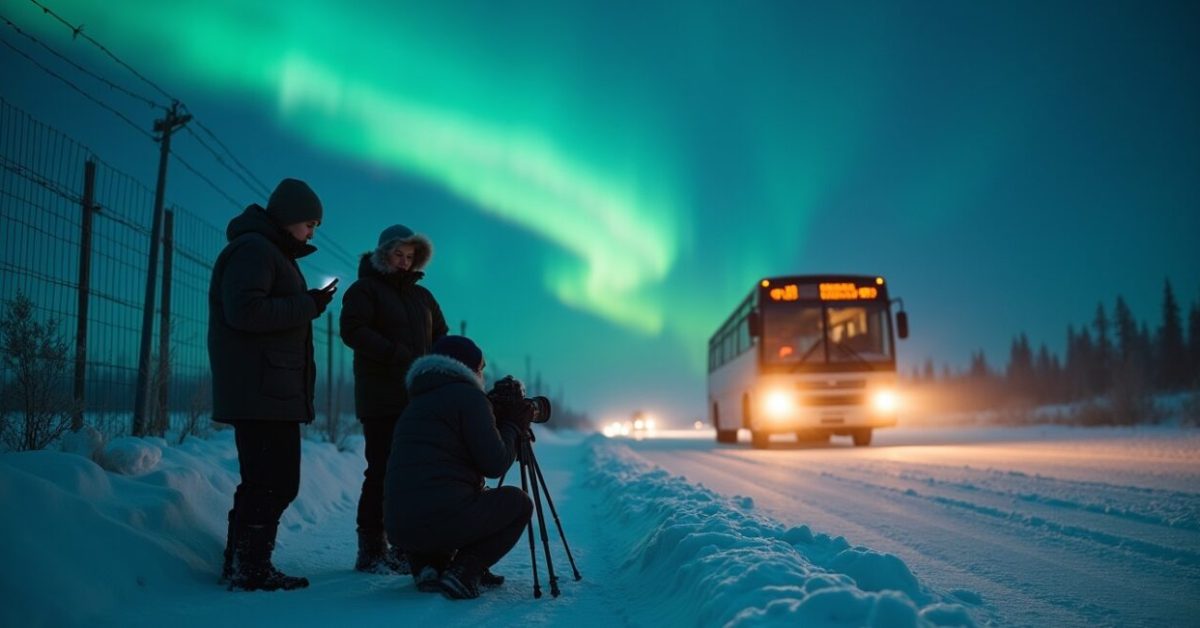

Snow crunches under boots, a bus idles while vapor fogs the headlights, and guides scan an app that predicts geomagnetic fireworks. This season aurora tours across northern Russia aren’t just booked—they’re sold out in ways locals say they’ve never seen. Photographers are rerouting entire itineraries around new routes, and operators in Murmansk and beyond are adding midnight departures to catch sudden solar storms. If you’ve scrolled past another travel listicle, stop: there’s a practical reason people are dropping weeks of planning and catching the next flight north.
Why Bookings Spiked Overnight
Demand jumped because of a rare convergence: a stronger-than-expected solar cycle, eased travel corridors in the Arctic, and viral photography that made the aurora look within reach. This isn’t curiosity—it’s opportunism. Tour companies that expanded small winter runs into multi-night photography charters saw bookings rise 40–70% compared with last year. Operators tell a consistent story: when social feeds showed vivid reds and curtains, casual travelers turned into buyers. The result is a scramble for dates and a premium on guides who can read both sky forecasts and border regulations.
The Three Russian Spots Photographers Are Racing To
Some places outperform others because of predictable weather and accessibility. Top picks right now:
- Kola Peninsula (Murmansk region) — closest major airport, high-latitude skies.
- Norilsk and Taimyr — remote, darker skies, often clearer during certain wind patterns.
- Yakutia (Sakha Republic) — extreme cold but spectacular stability in winter nights.
Expectation vs. reality: you might expect the farthest spot to be best, but in many cases Murmansk’s combination of infrastructure and open skies beats a remote camp that’s hell to reach.
How Guides Are Changing Routes and Schedules
Guides are no longer fixed to night-by-night itineraries. They’re using live geomagnetic indices, local weather cams, and flexible permits to pivot on a few hours’ notice. That flexibility is the competitive edge: operators who can legally move a convoy 100 kilometers to chase a clearing win clients. New route openings—temporary corridors to previously restricted zones—have let companies add vantage points. For photographers, this means shorter hikes, unexpected foregrounds (frozen rivers, abandoned soviet stations), and shots that weren’t possible last season.
Booking Strategies Photographers Swear By
Photographers are combining data, gear, and human networks instead of blind reservations. A common playbook now:
- Book a flexible multi-night window instead of fixed dates.
- Prioritize operator experience with route changes and permits.
- Pack for -30°C: batteries, layered insulation, and a backup lens.
Pro tip: connect with guides on photography forums and ask for sample timetables showing past route pivots—operators who share that history are the ones who actually adapt.
Common Mistakes to Avoid on an Aurora Tour
People repeatedly trip over the same avoidable errors. Here’s what not to do:
- Assume every night will show the lights—book for multiple nights.
- Ignore local permit or travel restriction updates—routes can close fast.
- Underestimate cold: cheap batteries die and optics fog.
- Expect a “big dip” in crowds—popular nights can be jammed with photographers.
The cost of a mistake isn’t just a missed shot; it can be lost time, extra flights, and a ruined itinerary. Plan defensively.
A Surprising Comparison: Guided Tours Vs DIY Chases
People assume DIY chases are cheaper and more authentic, but the math flips once you account for flexibility and local knowledge. In one operator comparison, guided multi-night packages that include permits, snow transport, and local guides cost roughly the same as a DIY trip once you factor in extra internal flights, unexpected route closures, and wasted nights. Guides buy you time and framing—time is the real currency when the aurora behaves unpredictably.
Mini-story: A Night That Changed a Portfolio
They left a half-empty lodge at 11:30 p.m., following a guide who’d seen a patch of clear sky on a weather cam. The group reached a frozen bay, set tripods on brittle ice, and waited. An hour later a low, green curtain unfurled over distant mountains; a photographer who had almost canceled her trip shot a frame that later placed in a major contest. That night was less about luck and more about being with a team who could move fast and know where to stand.
For technical context and long-term trends on geomagnetic activity, see resources from NASA and climate forecasts at NOAA. For current Russian travel advisories and permits, check the Federal Agency for Tourism’s updates at russiatourism.ru.
If you’re thinking of booking, treat this season as a living deadline: the lights aren’t just bright—they’re reshaping routes, businesses, and how photographers plan. Go with a plan that expects surprises.
How Far in Advance Should I Book an Aurora Tour in Northern Russia?
Book at least three to six months ahead during peak solar activity seasons to secure reputable guides and flexible itineraries. Last-minute deals exist but often only for off-peak windows or when operators are trying to fill cancellations; those rarely coincide with the rare geomagnetic events photographers chase. Also consider visa processing times and winter flights into regional hubs like Murmansk or Yakutsk—schedules can be sparse and weather-sensitive. A bit of advance planning buys choice of dates, better accommodation, and more reliable guide options.
What Equipment is Essential for Photographing the Aurora in Extreme Cold?
Bring a sturdy tripod, a camera with good high-ISO performance, fast wide-angle lenses (f/2.8 or wider), and multiple backup batteries stored warm. Cold drains batteries fast; rotate them in inner pockets and carry spares. Also pack hand warmers, a remote shutter release, and weather-sealed clothing and camera covers to prevent condensation during lens changes. Consider a headlamp with a red filter for dark adjustments. Think redundancy: lost or dead gear in remote Arctic locations can’t be quickly replaced.

Are There Safety or Permit Concerns for New Route Openings?
Yes—new or temporary route openings might require specific permits, environmental compliance, or border notifications, depending on the region. Operators who publicize access to restricted vantage points usually handle permits, but always confirm in writing. Weather can force last-minute border or route closures, so ensure your contract covers contingency plans. For authoritative updates on regulations and travel corridors, consult official resources and verify that your guide is licensed and informed about local rules before you commit.
How Much Does a Typical Multi-night Aurora Photography Tour Cost?
Expect prices to vary widely: basic multi-night tours can start in the low thousands (USD) while premium photography charters with small groups, bespoke guides, private transport, and permited route access can exceed several thousand dollars. Costs reflect logistics—remote transfers, snow vehicles, fuel, and guide expertise. Compare what’s included (meals, thermal suits, camera coaching, permits) rather than just headline price. In many cases, paying more nets a higher probability of successful photo opportunities and fewer wasted nights.
What’s the Best Time of Night and Conditions to See the Aurora in Northern Russia?
The aurora is most active between late evening and early morning—typically 10 p.m. to 2 a.m.—but strong geomagnetic storms can produce visible displays earlier or later. Clear, moonless nights away from light pollution are ideal; crisp cold often correlates with stable skies but not guaranteed geomagnetic activity. Check local KP index forecasts and follow operators who monitor real-time satellite data. Combining multi-night bookings with flexible routing increases your odds of catching those unpredictable peaks when they happen.