
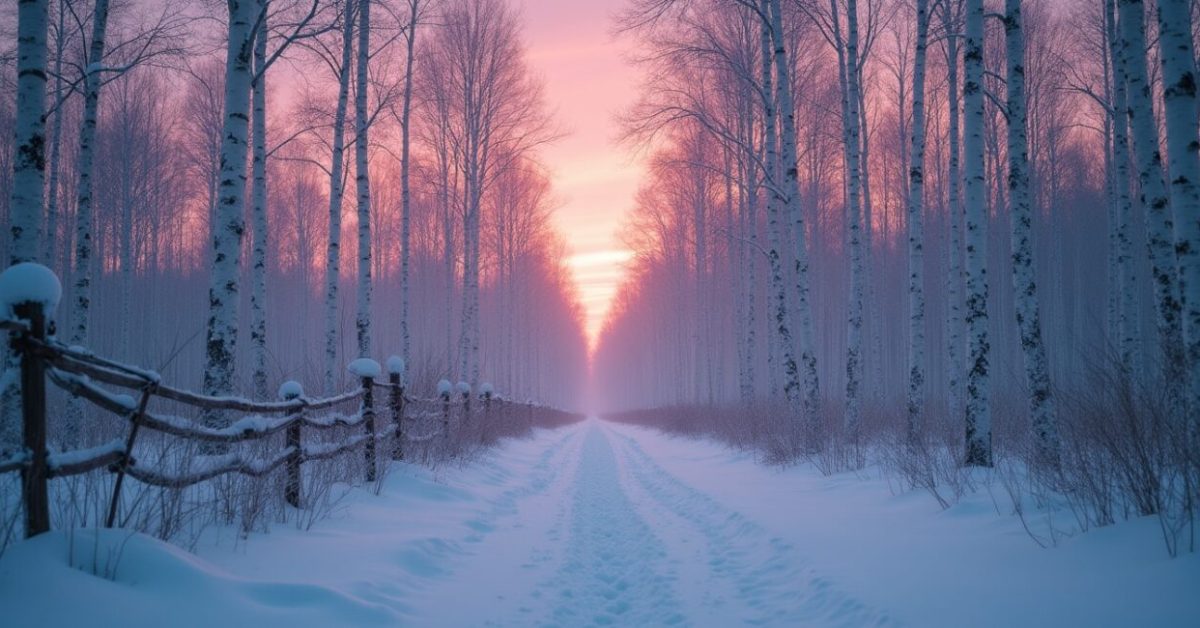

He shot the birch line at dusk, pushed the colors until the snow looked like porcelain, and the image exploded across Russian Instagram—half the comments praised it as visionary, the other half called it fake. This argument is about more than filters: it’s a new visual grammar in landscape photography emerging from Russia that mixes hyperreal color palettes, cinematic framing, and compositional rules pulled from film rather than classic landscape painting. If you scroll fast, you’ll either stop or swipe—this aesthetic is built to make you stop.
The Visual Choices That Started the Argument
Saturated skies, crushed blacks, and aggressive color grading—that combination is the shorthand. Photographers are deliberately boosting hues into candy-like territory, then anchoring them with stark, low-contrast foregrounds. The effect reads like a frame from a sci-fi film set in a familiar, icy countryside. Critics call it manipulation; defenders call it storytelling. Either way, the change is intentional: these images are engineered to trigger a specific emotional response, not to mimic what a human eye saw on location.
Why Some Professionals Are Applauding the Trend
Established landscape photographers see two wins: engagement and expression. First, these images perform—short attention spans reward novelty and bold color. Second, they offer a new vocabulary for conveying mood: nostalgia becomes magenta glow, solitude becomes flattened tonal planes. For pros, it’s not about lying—it’s about choosing which truth to tell. Agencies and magazines looking for fresh visuals are commissioning this look, and educators are rethinking curricula to include cinematic color theory alongside classic composition.
Why Many Purists Push Back Hard
The complaints are not just aesthetic snobbery. Purists fear the erosion of technical craft and context: over-processed images can hide poor exposure, weak composition, or lack of field discipline. There’s also cultural sensitivity—where a region’s landscape is a living place, turning it into stylized backdrop risks erasing local narratives. Some say the trend rewards post-processing skill over real-world patience—waiting for light, planning logistics, respecting a scene’s ecology.
How This Trend Actually Affects Portfolios and Client Work
Expectation vs. reality: you might think adopting the look will triple your bookings. Reality: it can open specific doors and close others. Clients in travel and lifestyle often want that cinematic pop; editorial clients may prefer authenticity. A smart freelancer treats this aesthetic as a tool, not a signature. Use it selectively—demo it in separate portfolio sections, label personal work clearly, and present before/after process notes to clients so they understand your approach and craft.
Common Mistakes Photographers Make When Copying the Look
Copying the color is easy; copying the intent is not. Errors to avoid:
- Over-saturating globally (creates a cartoonish effect).
- Ignoring foreground detail (which flattens depth).
- Applying the same grade to every scene (loses nuance).
- Skipping proper exposure to “fix it later” (adds noise and artifacts).
A Quick Before/after Comparison That Reveals the Secret
Imagine a snowfield at blue hour. Before: muted blues, visible texture in the snow, warm light on the horizon. After: richer magentas in the sky, lower mid-tones, and a cooler foreground. The surprising part is the narrative shift: the same location goes from contemplative to cinematic. That contrast shows why critics react emotionally—the image isn’t just edited; it’s rewritten. The lesson: small changes in tone mapping and selective saturation alter perceived story and viewer empathy.
One Mini-story That Explains the Trend Better Than Theory
At a remote Lake Baikal shoot, a young photographer waited out a storm only to find dull light. Rather than giving up, she stayed, took a single flat RAW, and spent a week experimenting with color curves and split-toning until the lake looked like memory—oversaturated but strangely true. She sold that image to a small magazine and was hired for a car campaign the next month. The point: the look can be a bridge from a slow day in the field to commercial opportunity, when wielded with intention.
For reading beyond opinions, look at how visual culture adapts elsewhere: research on image perception from universities and coverage of photography trends in major outlets shows similar cycles. For broader context on how media aesthetics influence attention, see studies compiled by academic institutions and reporting from major press outlets. For instance, cognitive studies on color and emotion help explain why viewers stop scrolling, and industry reports document engagement shifts across platforms.
Question to leave in your camera bag: do you want to be the person who follows a trend—or the one who bends it to tell something only you can? Whatever you choose, do it with purpose.
Is This Russian Landscape Photography Trend Just a Fad?
It’s partly a trend and partly a shift in visual language. Some aspects—like exaggerated grading—have already shown signs of ebbing as platforms and audiences tire of hyper-saturation. But the underlying move toward cinematic storytelling and deliberate color choices is broader and likely to persist. Photographers who adopt the principles (not the exact look) will likely find sustainable ways to use them, while those copying surface traits risk becoming quickly dated as platform tastes change.
Will Adopting This Aesthetic Hurt My Credibility with Clients?
Not necessarily—credibility depends on context. Commercial clients seeking bold, stylized visuals will value the aesthetic, while editorial or conservation clients may view it skeptically. The safest strategy is to separate personal/artistic experiments from client-facing portfolios and to clearly label work when it’s heavily styled. Communicating your process and showing technical competence—exposure, composition, and ethical considerations—preserves trust even when your images look more stylized than documentary.
How Do I Learn the Color Grading Techniques Without Losing My Voice?
Study color theory, practice with raw files, and reverse-engineer images that move you, but always start from your own intent. Create exercises: shoot the same scene three ways—natural, mildly stylized, and heavily graded—then critique what each version communicates. Keep a “process” folder showing iterations to help you remember why you made choices. Workshops and courses that combine technical grading with storytelling are more valuable than presets alone for maintaining an individual voice.
Are There Technical Limits I Should Know Before Trying This Look?
Yes—dynamic range and color depth matter a lot. Over-processing low-bit images introduces banding and noise. Shoot in RAW, expose to preserve highlights and shadows, and favor cameras with good high-ISO performance for low-light conditions. Also, lenses with good micro-contrast preserve texture when you crush blacks. Finally, learn local adjustments: graded skies often need selective masks to avoid color bleeding into foreground elements; otherwise, the image looks artificial.
Can Using This Trend Improve My Portfolio or is It Risky?
It can improve your portfolio if used thoughtfully. The trend helps you stand out in crowded feeds and demonstrate advanced post-production skills, which some clients prize. The risk is overcommitment—if every image looks the same, you narrow your market. A balanced approach is to include a dedicated section showcasing stylized work alongside more neutral images, and to explain the intent behind each series so prospective clients understand when to hire you for that aesthetic.