


The phone vibrates, you swipe—and suddenly Paris’s urban parks fill your feed: mossy paths, cinematic alleys of plane trees, and people pausing like curated props. Urban parks are the new postcard; they’re not just green lungs but stage sets for pictures that stop thumbs. If you want lush, scroll-stopping shots from Paris, you need to think like a director: where to stand, when light matters, and which parks are actually trending right now.
Which Paris Parks Are Defining the Trend
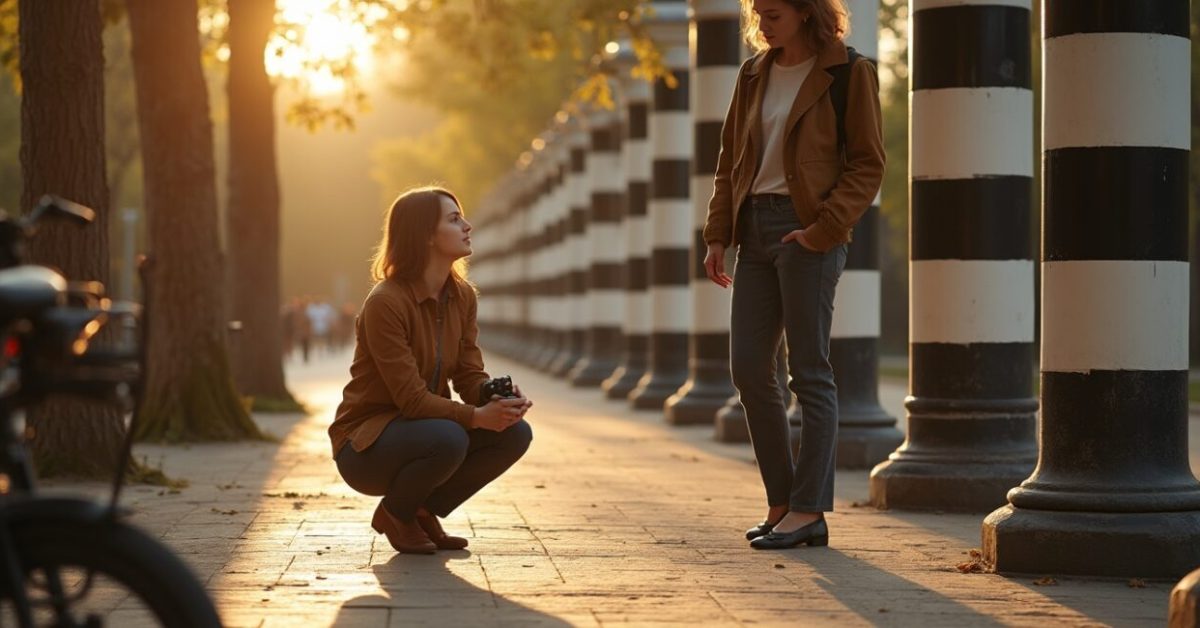
Some names keep popping up for a reason: Jardin du Palais-Royal with its striped columns, Parc des Buttes-Chaumont with dramatic cliffs and hidden temples, and the Canal Saint-Martin greenbanks that catch soft evening light. These spots are trending because they combine architectural drama with natural texture—exactly what Instagram-style feeds crave. Smaller surprises like Promenade Plantée and Parc Monceau are beloved by local photographers for quieter compositions that still read as distinctly Parisian.
The Single Framing Trick Pros Use to Make an Ordinary Path Sing
Make the path the protagonist. Stand low, align the trail to lead into a vanishing point, and use surrounding trees to frame the scene. One strong foreground element (bench, lamppost, or wet leaves) turns walkways into cinematic corridors. Try a 35mm–50mm equivalent for human-scale compression or a wide lens to exaggerate canopy arches. The result: an ordinary path becomes a deliberate visual journey that holds the viewer’s eye from front to back.
Timing: The Three Golden Windows for Lush, Saturated Color
Golden hour is obvious, but the real wins come from timing nuance. Early-morning mist softens highlights and saturates greens; mid-morning (9–11 AM) brings directional light through leaves; and the blue hour after sunset adds a cool, editorial mood. For rich, dewy foliage, shoot within the first hour after sunrise when humidity and light cooperate. Weekdays beat weekends for empty scenes; after rain, puddles reflect treetops and double your compositional options.
Lighting Mistakes Photographers Keep Making (and How to Avoid Them)
Common errors sabotage good locations faster than gear. Avoid these pitfalls:
- Aiming straight into harsh midday sun—use backlight or wait for softer hours.
- Centering everything—off-center leads to energy and depth.
- Over-editing greens until they look fake—preserve texture and shadows.
- Ignoring human scale—include a person for context and story.
Fixes are simple: shift your angle, change the aperture for depth, and respect natural colors. Small corrections make images feel real and inviting, not manufactured.
Before/after: What a 10-minute Reframe Can Change
Expectation: a pretty tree-lined walk. Reality after reframe: a layered composition with foreground interest, leading lines, and an off-center subject that breathes. I once saw a dull alley transformed in under ten minutes—swap to a lower angle, include a puddle reflection, and step to the right slightly to catch a shaft of light. The image went from “postcard” to “stop-scroller.” That difference—mundane versus cinematic—is often a matter of 60–90 seconds of thoughtful repositioning.
Gear, Apps, and Quick Edits That Keep Photos Feeling Natural
You don’t need a kit full of glass. A focal-length equivalent between 24–50mm, a lightweight tripod or a phone with stabilization, and a polarizing filter for saturated skies will do most of the work. Apps: use a raw-capable editor, gently pull down highlights, increase shadows just a touch, and keep clarity modest. Less is more—your goal is enhanced reality, not filtered fantasy. For large prints or commercial work, prioritize raw files; for feed-ready shots, mobile edits are fine.
How to Turn Pedestrian Routes Into a Shareable Story
Think in sequences: approach, discovery, and exit. Capture a wide establishing shot, a detail (textured bark, patterned bench), and an intimate portrait or candid that shows life in the space. Use short captions that hint at time and mood—people respond to atmosphere more than location tags. Stories are what turn single images into memorable experiences. Repeatable itineraries (sunrise bench, midday canopy, dusk lamplight) make for consistent, branded feeds.
Data and planning matter. For park rules, opening times, and conservation guidelines, consult official municipal sources before shooting; these rules often change seasonally. For planting periods, academic research on urban greening gives deeper insight into biodiversity trends.
According to the Paris city portal, many green spaces now host curated planting programs and events that shape their look throughout the year—check schedules to catch peak displays. For broader urban park studies and environmental context, government and university reports are reliable starting points.
Sources: Paris official municipal site and peer-reviewed urban ecology articles.
Leave the city with a question: when the next trend shifts—from plane trees to pollinator meadows—will you be shooting what’s in bloom, or what tells the better story?
Which Paris Parks Are Best for Morning Mist Photography?
The best parks for morning mist blends are Parc des Buttes-Chaumont and Parc Monceau; both have varied elevation and shade that help trap humidity overnight. Look for low-lying spots near water or valleys inside the park, and arrive before sunrise to capture the brief window when mist softens contrasts. Use a tripod for longer exposures and a low ISO to retain detail. Compositionally, include a midground element to give mist depth—this keeps shots from appearing flat and preserves atmosphere.
What Lens or Focal Length Works Best for Capturing Tree Canopies?
A 24–35mm (full-frame equivalent) is versatile for canopies: it captures breadth without extreme distortion and keeps trunks proportional. If you want a more intimate, compressed look that highlights layers, use a 50mm; for dramatic distortion and exaggerated arches, go wider but watch edge stretching. For phones, move closer and use the main lens rather than a wide-angle selfie mode. Always consider depth: add a foreground leaf or bench to anchor the canopy and create a natural frame for the viewer’s eye.

How Do I Photograph a Park Path When It’s Crowded?
Crowds are manageable with timing and technique. Shoot early on weekdays for the clearest frames, or use longer exposures to blur movement and imply solitude. Another tactic: frame around people—capture them entering or leaving the frame to convey narrative rather than clutter. Position yourself lower and closer to the path to exaggerate leading lines; this forces the eye down the trail and minimizes background distraction. If acceptable, ask a passerby to pause for a single, intentional placement to elevate the composition.
Which Editing Mistakes Make Greens Look Fake, and How to Fix Them?
Over-saturating hue and boosting vibrance indiscriminately are the usual culprits. Greens shift into neon and lose texture when contrast and clarity are pushed too far. Fix it by reducing overall saturation, then selectively lift midtone greens while keeping shadows intact. Lower highlights slightly to recover leaf detail and add a touch of warmth in the highlights if the scene feels too cold. Finally, check your edits on mobile and desktop—what looks rich on one screen can read oversaturated on another, so aim for balance.
Are There Legal or Conservation Rules I Should Know Before Shooting in Paris Parks?
Yes—many Paris parks have regulations about professional gear, permits, and protected plant areas. Commercial shoots usually require authorization from the city, especially for large setups or tripod use in high-traffic zones. Respect marked conservation areas and seasonal restrictions (planting or nesting periods). For the most accurate, up-to-date guidance, consult the Paris municipal website and contact park management when in doubt. Following rules protects the spaces you love and ensures photographers can continue working responsibly in these shared urban environments.