

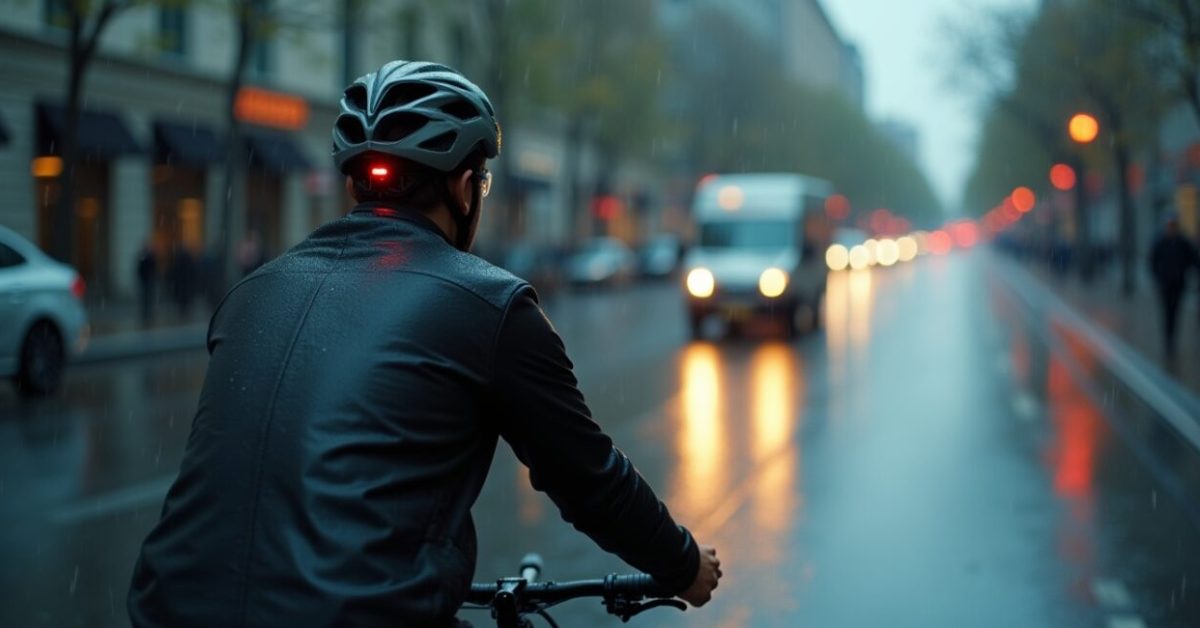

Rain-smeared visor, a horn blaring behind you, and your helmet cam quietly recording everything. Helmet cams are no longer a niche toy for action sports—commuters, delivery riders, and pro cyclists strap them on like a sixth sense. The payoff is immediate: proof, perspective, and sometimes adrenaline. But that tiny rectangle of footage can also bring unexpected legal headaches, safety trade-offs, and privacy landmines. Read on—fast checks first, deeper problems next, and a few rules that could save your skin and your wallet.
Why So Many Riders Believe a Helmet Cam is a Modern Survival Tool
Helmet cams turned from hobbyist gear into common-sense equipment because they do one thing well: record truth from a human point of view. Commuters win arguments with dashcam footage; bike couriers document hit-and-runs; pro riders analyze lines and crashes. That perspective matters because it shows exactly what the rider saw, not just what a car’s dashcam captured. In urban settings, recorded timestamps and GPS can transform a he-said-she-said into hard evidence—when the footage is admissible and clear.
The Immediate Benefits You’ll Notice on Day One
Clarity, accountability, and coaching—three quick wins a helmet cam delivers. You get:
- Concrete evidence in collisions or near-misses.
- Footage to improve technique and spot risky behavior.
- Deterrence: drivers and aggressive riders tend to behave better when they know they’re being recorded.
The Hidden Dangers No One Talks About at First Glance
Mounting a camera on your helmet might feel minor—until it isn’t. A camera adds weight and can alter the helmet’s crash dynamics. Cheap mounts can fail mid-ride; adhesive plates peel in heat; exposed wires snag. Also, recording constantly creates a false sense of security: footage doesn’t make you invincible. Finally, obsessive review of near-miss clips can lead to anxiety, affecting confidence on the road. Think of a helmet cam as a tool, not a shield.
The Legal Pitfalls: When Your Footage Helps—and When It Hurts
Footage that helps in court can also be suppressed or twisted against you if you ignore local rules. Laws vary: some jurisdictions treat helmet cams differently from dashcams; audio recording might violate wiretapping statutes; faces captured in private settings can raise privacy claims. Before relying on footage, check local traffic and evidence law. For U.S. federal guidance on recording laws and admissibility, consult reputable legal resources and state statutes. Also consider keeping metadata intact—altered files are easier to challenge in court.
Quick Checklist to Make Sure Your Footage Doesn’t Cost You Dearly
A five-point pre-ride security check takes 60 seconds and can save hours in legal trouble. Verify:
- Mount tightness and redundancy (primary + backup mount).
- Battery level and continuous loop settings.
- Legal compliance: audio off if your state requires it.
- Timestamp and GPS enabled and synced.
- File backup routine—cloud or immediate transfer.
Common Mistakes Riders Keep Making (and How to Avoid Them)
People assume a recording is automatically useful. That’s the mistake. Common errors: mounting the camera where the view is blocked by vents, ignoring firmware updates, relying on tiny memory cards, and forgetting to secure the mount after cleaning the helmet. Avoid these by testing your setup on short rides, keeping spare mounts, updating firmware monthly, and labeling footage with date/location. One simple habit—checking a five-second clip before each ride—eliminates 70% of the rookie problems.
A Surprising Before/after That Changes How You View Helmet Cams
Before: a commuter files a vague police report after a near-miss and gets a “no further action” response. After: the same rider, wearing a helmet cam, produces a 30-second clip showing the offending vehicle’s license plate and the driver’s maneuver; police reopen the case and the city installs a traffic-calming measure. That contrast—an invisible problem versus visible proof—explains why helmet cams fuel policy changes and personal safety improvements. Small evidence can cause big, concrete change.
For rules that affect recording and privacy in the U.S., check reliable sources like the Legal Information Institute at Cornell law.cornell.edu and state DMV sites for specifics. For safety standards on helmets and crash testing, browse resources from the National Highway Traffic Safety Administration (nhtsa.gov).
Choose your position: are you using a helmet cam to document, to improve skill, or to broadcast? Each purpose demands different setups and different legal awareness. Pick responsibly.
One final thought: the goal isn’t more footage—it’s better decisions. A camera should make you wiser on the road, not reckless because you think you’re covered.
Can I Legally Record While Riding My Bike or Motorcycle?
Whether you can legally record while riding depends on local and state laws. In many U.S. states, video recording in public places is allowed, but audio may be restricted under wiretapping statutes; consent rules differ. Laws also vary internationally. If you plan to use footage in court, preserve original files and metadata. Check your state’s statutes and DMV guidance before relying on recordings for legal purposes. When in doubt, disable audio and inform passengers or people you might record to minimize legal exposure.
Will Mounting a Camera on My Helmet Make It Less Safe in a Crash?
A helmet camera can affect impact dynamics if mounted improperly or if the mount adds significant protrusion. Manufacturers design helmets and mounts with safety in mind, but cheap or aftermarket mounts may compromise structural integrity or create snag points. To reduce risk, use low-profile mounts, follow helmet maker guidance, and avoid heavy devices. Replace your helmet after any significant impact, even if the camera survives. Conservative choices—like handlebar mounts for casual rides—can reduce safety trade-offs.
How Should I Store and Back Up Footage to Keep It Admissible?
To keep footage admissible, follow a simple chain-of-custody mindset: save original files immediately, avoid editing or compressing them, and record where and how copies were made. Use cloud backups with timestamps and consider hashing files to prove integrity. Document transfers with basic logs (date, time, recipient). If handing footage to police or insurance, provide originals or verified copies and ask for receipts. Small habits—like saving one untouched copy and another for sharing—preserve credibility when evidence matters most.
What Privacy Concerns Should I Consider Before Posting Helmet-cam Clips Online?
Posting helmet-cam clips can expose bystanders, private property, and vehicle license plates; you may inadvertently violate privacy or defamation rules. Blur faces and plates when necessary, and avoid sharing videos that record people in private settings. Platforms have different policies, and some footage may trigger takedowns or legal requests. Think about consent for identifiable individuals, and consider editing out audio that captures private conversations. Responsible sharing reduces legal risk and respects the dignity of others caught on camera.

Which Helmet Cam Features Are Genuinely Worth Paying Extra For?
Pay for reliability and clarity: image stabilization, high dynamic range (HDR) for varying light, secure mounting systems, and robust weatherproofing are worth the premium. GPS and timestamping matter for evidence; removable batteries or long battery life are crucial for commuters. Quality also affects metadata reliability; cheap cameras may lose timestamps or corrupt files. Warranties and firmware support from reputable brands are practical investments. Balance features with your primary use—action sports need different specs than daily commuting documentation.