

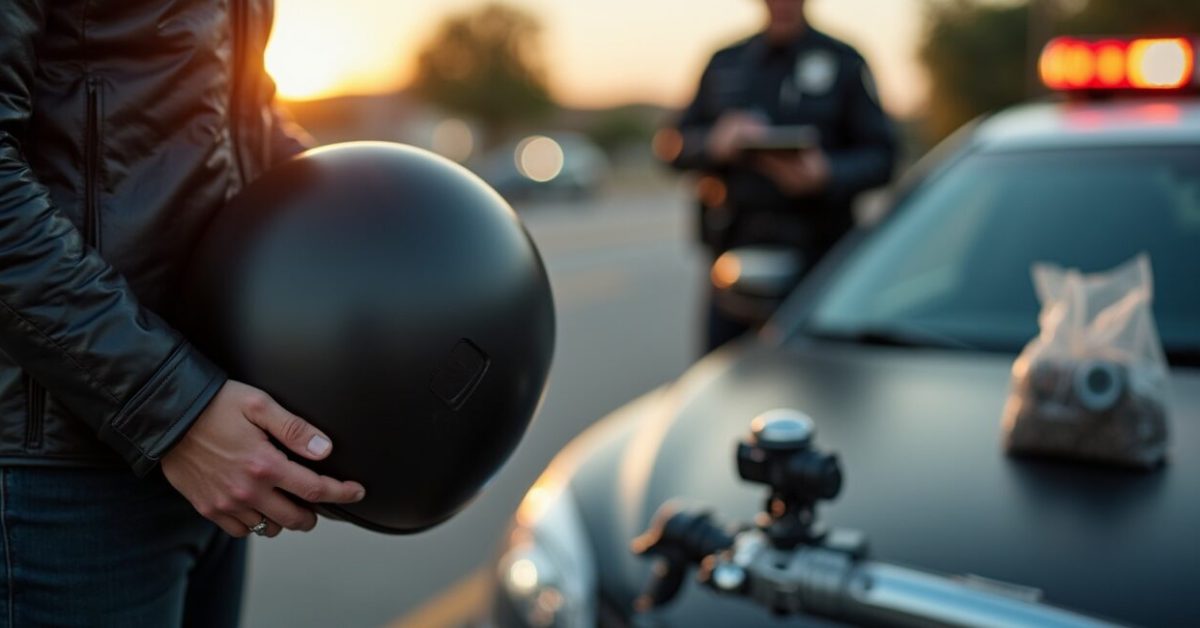

The last-minute tap of a helmet camera can turn a routine ride into an evidence reel — but recent shifts in helmet laws are turning that casual habit into a legal minefield. From new rules about camera mounting to stricter privacy limits, riders are already getting tickets and having footage thrown out. If you film while you ride, this is the brief you need: what changed, what fines actually look like, and three simple moves to keep your footage and your record intact.
The Single Rule Most Riders Miss That Now Costs Money
Some jurisdictions now treat an unsecured or obstructive helmet camera the same as a mobile distraction — and that can mean fines, license points, or even confiscation of footage. Imagine pulling out a device during a traffic stop and being told your camera setup broke the law. That’s happening. Laws vary: a state may ban mounts that extend beyond a helmet’s profile, another may prohibit recording without consent in private areas. The takeaway: mounting, field of view, and consent matter more than you think.
Where These Helmet Camera Rules Are Popping Up (and Why)
Regulations have proliferated in at least three patterns: safety-focused bans on protruding mounts, privacy-driven limits on recording others, and evidence-chain rules that govern admissibility in court. Cities that faced high-profile disputes over recordings — for example, cases involving police interactions — moved faster. Government statements and civil suits pushed lawmakers to define what’s acceptable on the road. Knowing the pattern helps predict where your next jurisdiction might change the rules.
Exactly How Fines and Penalties Look in Practice
Penalties are rarely uniform. You can expect three common outcomes: on-the-spot fines (hundreds of dollars), administrative points on your license, or evidence suppression in court if footage was obtained illegally. In some countries, repeat violations trigger bigger penalties or mandatory safety courses. Think of it like a tiered system: first offense often costs money, second offense hits your record, third can cost you the footage and more. Keep receipts and mounting specs to contest unclear citations.
The Checklist Every Rider Should Use Before Hitting Record
A short pre-ride checklist cuts legal risk dramatically. Your legal pre-flight should include:
- Confirm mount is within manufacturer and local profile limits.
- Ensure the camera angle doesn’t capture private property windows or inside vehicles where privacy applies.
- Turn off audio recording where consent is required.
- Keep registration and mounting receipts accessible.
These four steps prevent the most common citation types and make your footage more likely to hold up if challenged.
The Mounting Myth Vs. Reality (a Surprising Comparison)
Myth: “Any solid mount is safe if it doesn’t fall off.” Reality: some mounts are legal in one county but not in the next — standards differ by how much the device protrudes and whether it could alter helmet safety. Imagine two identical mounts: one sits flush and passes in City A; the other leaves a 1-inch lip and triggers a violation in City B. That inch is the difference between a clean ride and a ticket. Manufacturers’ specs don’t guarantee legal compliance — check local rules.
Three Mistakes That Get Riders Into Trouble (what to Avoid)
Riders repeatedly fall into the same traps. The biggest errors are:
- Believing “hands-free” equals legal — audio or consent issues still apply.
- Using DIY mounts that alter helmet crash performance.
- Publishing footage without blurring faces or plates in regions with strict privacy laws.
Avoid these and you dodge most enforcement actions. Treat filming like carrying a liability: secure, unobtrusive, and respectful of others’ privacy.
A Quick Real-world Scene That Proves the Point
On a Sunday afternoon, a commuter with a popular dash-cam-style helmet mount filmed a hit-and-run. The footage clearly showed the offender, but prosecutors dropped it because the camera angle recorded inside a building where occupants had a reasonable expectation of privacy. The rider got a citation for an illegal mount and lost the leverage the video might have provided. That small oversight — angle and location — turned decisive evidence into unusable footage.
If you ride, you want footage, not fines. The smartest move is low-tech: adjust angle, secure documentation, and respect privacy. Those few minutes before you go make the difference between a viral exoneration and a costly headache.
For the most up-to-date local rules, check official sources — for example, state transportation departments or national legal advisories. Transport agencies publish guidance that often includes camera and mounting specs.
Which change will affect you first: mounting restrictions, audio consent, or privacy-driven recording limits? Think about that next time you press record.
Can I Legally Record While Riding in Every State or Country?
Laws differ widely: some states allow helmet cameras with no audio, others restrict protruding mounts, and a few outright ban certain types of recordings in designated zones. The legality often depends on mounting profile, whether audio is recorded, and the expectation of privacy for people captured in the footage. Always check local statutes or agency guidelines before you ride. If you travel across state lines, assume rules change and adjust settings or mounting to comply with the strictest jurisdiction you’ll enter.
What Mounting Style is Safest for Both Law and Impact Testing?
Flush, low-profile mounts that keep the camera within the helmet’s contour are safest for both compliance and crash performance. Manufacturers’ tested mounts designed to break away under impact are preferable to rigid DIY brackets. Keep the mounting instructions and purchase receipts — they help if cited. If a jurisdiction references helmet certification standards, ensure your mount doesn’t alter protective features or add new points of force transfer that would fail safety tests.
Do I Need Consent to Record Other People While Riding?
Consent rules depend on audio vs. video and local privacy laws. Video captured in public spaces is often permissible, but recording audio may require consent from recorded parties in two-party consent jurisdictions. Private places (inside homes or vehicles) typically have stronger protections. If you plan to publish footage that identifies individuals, blur faces or plates when required. When in doubt, disable audio and crop or redact sensitive sections before sharing.
How Should I Store and Handle Footage to Make It Admissible in Court?
Chain-of-custody matters. Use time-stamped files, keep original recordings unedited on secure storage, and document how and when footage was transferred. If law enforcement requests material, follow legal protocols — handing over originals without counsel can complicate civil claims. Back up files immediately to a secure drive, note GPS and timestamp metadata, and preserve the camera and mount until any dispute is resolved to avoid challenges to authenticity.
What Should I Do If I Get a Ticket Related to My Helmet Camera?
Stay calm and document everything. Photograph your mount and recording settings, keep receipts, and note the exact citation details. If you believe the law is unclear or misapplied, gather witness statements and preserve raw footage. Consider contesting the ticket with evidence that your setup complied with manufacturer specs and local guidance — many citations are resolved when riders show documentation. If the stakes are high, consult an attorney experienced in traffic and privacy law.