

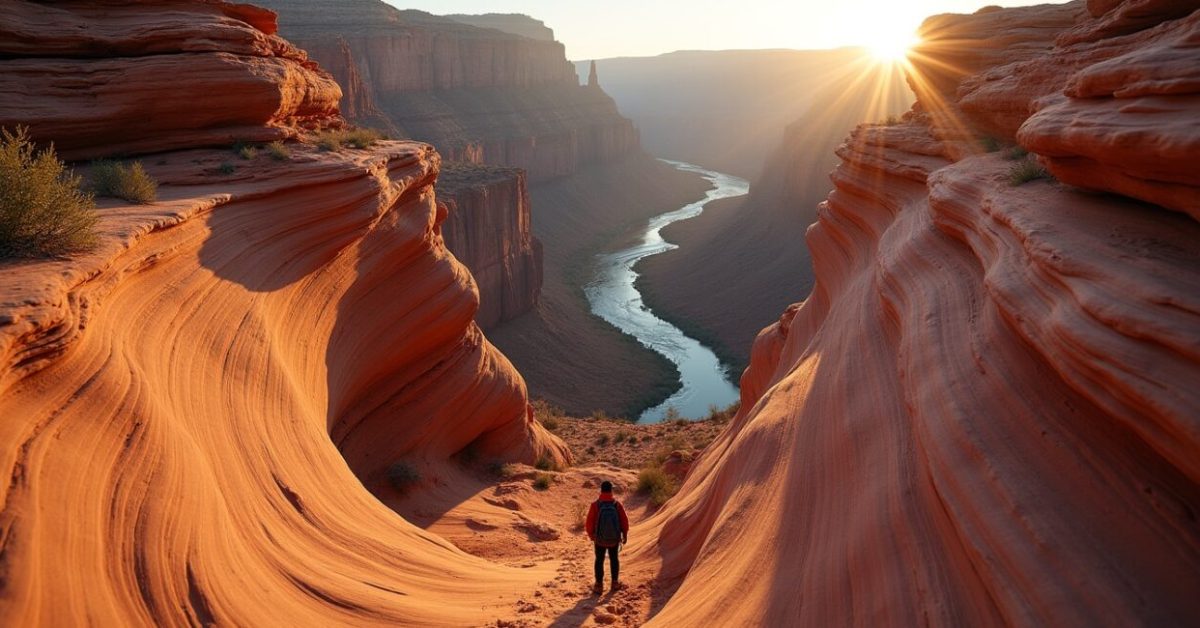

What makes American canyons so magnetically beautiful and terrifying at once? From sinuous slot corridors to the immense bowls of the Grand Canyon, these sculpted chasms reveal violent water, wind, and time at work. American canyons show erosion patterns and red-hued strata that tell deep geological stories.
In an era of travel photography and climate awareness, understanding American canyons matters for safety, conservation, and wonder. This article explores striking erosion patterns, sandstone layers, and iconic examples like Antelope Canyon and the Grand Canyon, highlighting what to see and how to experience them.
Read on to discover select canyon case studies, practical visiting steps, geology insights, and emotional perspectives that connect you to these red-hued landscapes. Expect vivid descriptions, mobile-friendly structure, and clear takeaways about American canyons.
Iconic American Canyons: Antelope, Grand, and Beyond
Antelope Canyon and the Grand Canyon are emblematic of American canyons, showcasing slot canyon light, Navajo Sandstone sculpting, and layered red-hued strata. These sites reveal both delicate deposition and brutal erosion patterns.
Why Antelope Captivates Photographers
Antelope’s narrow walls create dancing beams, smooth curves, and polished sandstone surfaces that trap light. Photographers chase contrast, texture, and color shifts in slot canyon corridors.
The site’s flash-flood risk and permitted access shape visitor behavior and safety measures. Slot canyons demand respect for weather, local guides, and strict rules.
The Grand Canyon’s Scale and Story
The Grand Canyon exposes deep sedimentary layers, uplifted Colorado Plateau geology, and river incision over millions of years. It’s a textbook of earth history and red-hued strata.
Visitors encounter rim vistas, inner gorge trails, and river trips that reveal erosion patterns from tributary canyons to massive amphitheaters carved by water and weathering.
How Erosion Patterns Form Dramatic Shapes
Erosion patterns in American canyons arise from running water, wind abrasion, freeze-thaw cycles, and chemical weathering. These forces sculpt slot shapes, scalloped alcoves, and vertical walls of sandstone and limestone.
Water’s Role in Canyon Carving
Flash floods funnel sand and cobbles, chiseling channels and smoothing surfaces. River incision deepens valleys and exposes older, red-hued strata down the profile.
Seasonal storms concentrate erosive power, while perennial streams slowly cut through sedimentary rock, balancing incision and deposition along canyon floors.
Wind, Heat, and Freeze-thaw Effects
Wind-blown sand polishes exposed faces, while temperature swings foster cracks and slab failure. Freeze-thaw cycles pry joints and accelerate rockfall.
These processes combine to produce arches, fins, and talus slopes common across the Colorado Plateau and other canyon-bearing regions.

Geological Layering and the Signature Red-hued Strata
American canyons often expose stacked sedimentary units: sandstone, shale, limestone, and iron-stained formations. The red-hued strata come from oxidized iron in ancient desert sands and sediments.
Understanding Sedimentary Records
Each layer records past environments—dunes, river channels, shallow seas—and fossils that anchor time. Geologists read these pages to reconstruct ancient climates and landscapes.

Cross-beds, grain size, and cementation reveal depositional energy and diagenesis. These subtle clues explain why some layers erode into cliffs and others into slopes.
Color Variation and Mineral Drivers
Iron oxide yields reds and oranges; manganese and organic matter darken bands. Weathering alters surface hues, producing dramatic contrasts in canyon walls.
Light angle and moisture intensify color perception, making sunsets and damp seasons especially vivid for viewing red-hued strata.
Visiting Safely and Responsibly
Planning a trip to American canyons means respecting flash-flood warnings, permit systems, and fragile ecosystems. Safety, conservation, and local culture are essential components of responsible visitation.
Essential Safety Precautions
Check weather forecasts, carry water, and avoid slot canyons during storms. Many accidents result from underestimating flash floods and remote conditions.
Hire certified guides when necessary and register trips where required. Leave no trace and follow posted restrictions to preserve fragile canyon environments.
Permits, Access, and Cultural Respect
Some canyons sit on tribal lands or within protected parks, requiring permits and guided access. Respect local rules and sacred sites for ethical visitation.
Support local economies by hiring indigenous guides, who offer cultural context, safety, and deeper connection to the landscape.
- Research the canyon’s access rules and permit requirements.
- Check the weather forecast and avoid risk periods.
- Pack water, snacks, first aid, and navigation aids.
- Hire an experienced guide for technical or sacred sites.
- Follow Leave No Trace and cultural site guidelines.

Practical Photography and Observation Tips
Photographing American canyons demands attention to light, texture, and color contrast. Slot canyons reward slow exposures while vast rims need wide-angle compositions.
Slot Canyon Techniques
Use a tripod for low light and bracket exposures to capture beam highlights and deep shadows. Polarizers can deepen blue skies while saturating sandstone colors.
Respect timing—midday beams in slots are transient. Scout locations and learn safe positions to avoid crowding and damage to delicate surfaces.
Rim and Vista Composition
For grand panoramas, use panoramic stitching or wide lenses. Include foreground elements like vegetation or rock to add scale against vast canyons.
Golden hour and after-storm clarity produce saturated tones that highlight red-hued strata and layered geology across canyon walls.
Conservation Challenges and Climate Impact
American canyons face threats from increased visitation, climate-driven storm intensity, and resource extraction. Protecting erosion-sensitive formations and water regimes is urgent for long-term survival.
Visitor Pressure and Physical Wear
Foot traffic compacts soils, disturbs vegetation, and accelerates erosion near trails. Overuse can damage fragile varnish and sandstone surfaces irreversibly.
Management strategies include permit limits, boardwalks, and visitor education to balance access with preservation.
Climate Change and Hydrology Shifts
Altered precipitation patterns change flood regimes, increasing both erosion and drought stress. Water availability for ecosystems and human communities is at stake.
Adaptive management, research funding, and public engagement are critical to mitigate long-term impacts on canyon systems.
Spot Examples and Practical Comparisons
Comparing Antelope Canyon’s narrow, polished slot walls with the Grand Canyon’s vertical stratigraphy highlights the diversity of American canyons. Each example demonstrates unique erosion patterns and red-hued strata expressions.
Antelope Canyon: Slot Dynamics
Antelope displays smooth, flowing sandstone surfaces carved by episodic floods. Light and texture dominate visitor experience and conservation challenges.
Guides manage access and photography, balancing safety with preserving delicate sandstone and cultural significance.
Grand Canyon: Scale and Time
The Grand Canyon exposes a vast time sequence through hundreds of layered beds, river terraces, and tributary canyons carved by the Colorado River.
Its scale invites multi-day expeditions, river trips, and scientific study into uplift, sedimentation, and long-term erosion patterns.
- Trail choices vary from easy rim walks to multi-day inner-canyon treks.
- Permits and river trip reservations are essential for inner canyon access.
- Respect seasonal closures and cultural site protections.
| Site | Type | Main Rock | Access Notes |
|---|---|---|---|
| Antelope Canyon | Slot canyon | Navajo Sandstone | Guided access required, flash-flood risk |
| Grand Canyon | River canyon | Layered sedimentary rock | Permits for inner canyon, river permits for rafters |
| Zion Narrows | Slot/river canyon | Sandstone, conglomerate | Seasonal closures, river gear recommended |
Conclusion
American canyons are living textbooks of erosion patterns, red-hued strata, and Earth’s sculpting forces—places of awe and learning. From the intimate light of Antelope to the sweeping stratigraphy of the Grand Canyon, these chasms connect us to time and power.
Plan responsibly, respect local cultures and safety rules, and look beyond the postcard view to feel the geological heartbeat of American canyons. Your next visit can be both transformative and protective.
Faq
What Causes the Red-hued Strata Common in American Canyons?
The red-hued strata in many American canyons result from iron oxide coating grains in ancient sand and sediment deposits. Oxidation during burial and exposure stains layers with reds, oranges, and browns. Weathering and moisture changes can intensify or mute colors seasonally, creating vivid canyon palettes that reveal depositional environments and mineral chemistry.
Are Slot Canyons Like Antelope Dangerous During Storms?
Slot canyons pose significant flash-flood danger because narrow walls funnel sudden runoff. During storms—often distant storms—water can surge with little warning. Always check weather, heed local advisories, and avoid entering slots if any rain is forecast. Guided tours and ranger briefings reduce risk by monitoring conditions and enforcing closure when flash-flood threat exists.
Do I Need Permits to Enter Major American Canyons?
Many major canyons require permits, especially for backcountry camping, river trips, or tribal land access. National parks and tribal authorities manage permits to control impact and ensure safety. Research specific canyon regulations, apply well in advance, and consider guided options if permits or technical skills are required for safe access.
How Do I Photograph the Best Colors and Textures in Canyons?
For rich colors and texture, shoot during soft light—early morning, late afternoon, or after storms. Use a tripod for low-light slots, bracket exposures for high dynamic range, and include foreground elements for scale. Polarizing filters enhance sky contrast, while careful composition reveals layered red-hued strata and sculpted erosion patterns.
What Conservation Actions Help Protect Canyon Landscapes?
Protecting canyon landscapes involves following Leave No Trace, staying on designated trails, respecting cultural and ecological closures, and supporting local conservation groups. Limit group sizes, avoid touching fragile varnish or formations, and advocate for responsible tourism policies. Funding scientific research and educating visitors are also vital to long-term canyon preservation.
Further reading and authoritative sources: National Park Service – Grand Canyon, USGS, and National Geographic.